

WATCH/LISTEN: 2026 Midterm Election Recap
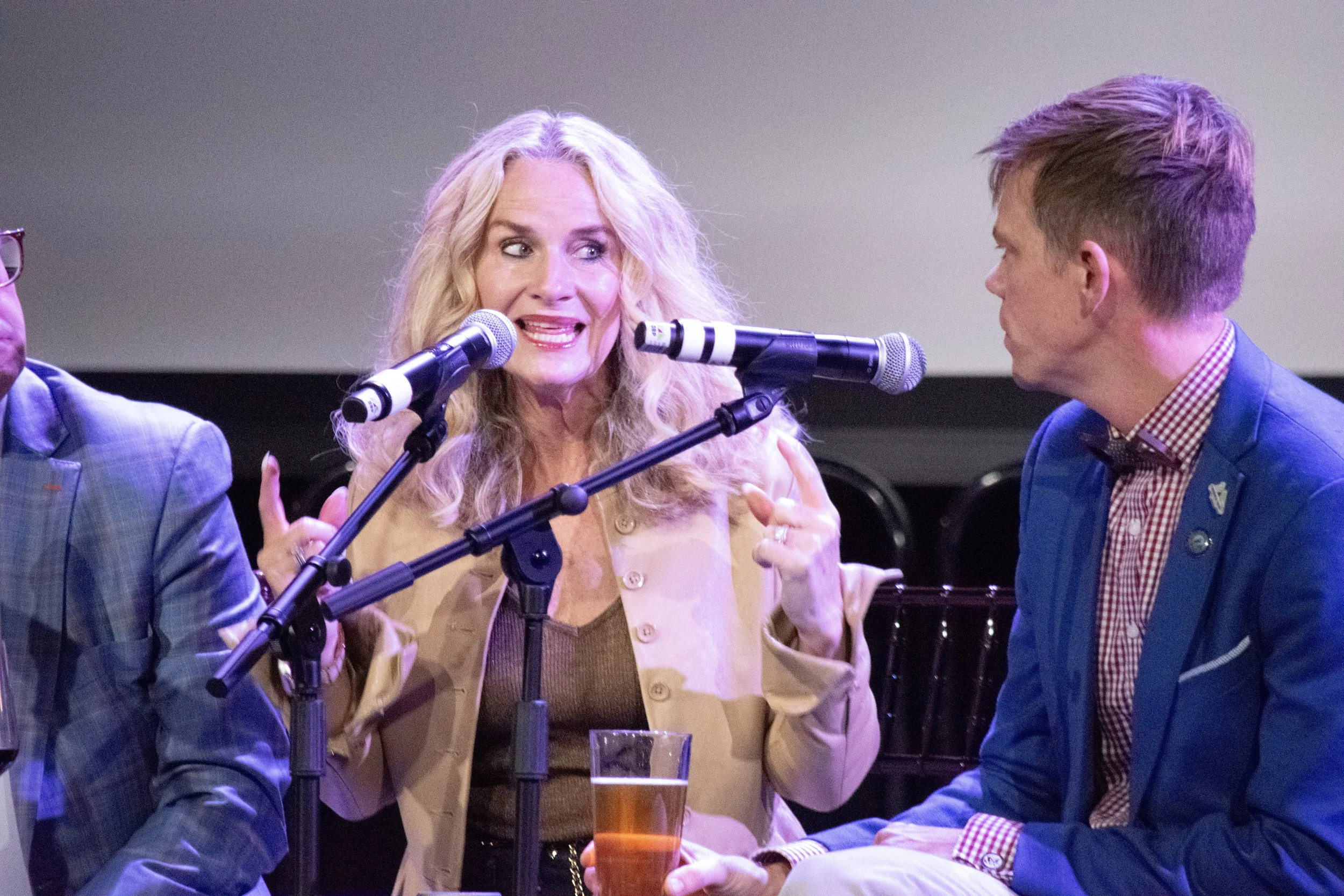
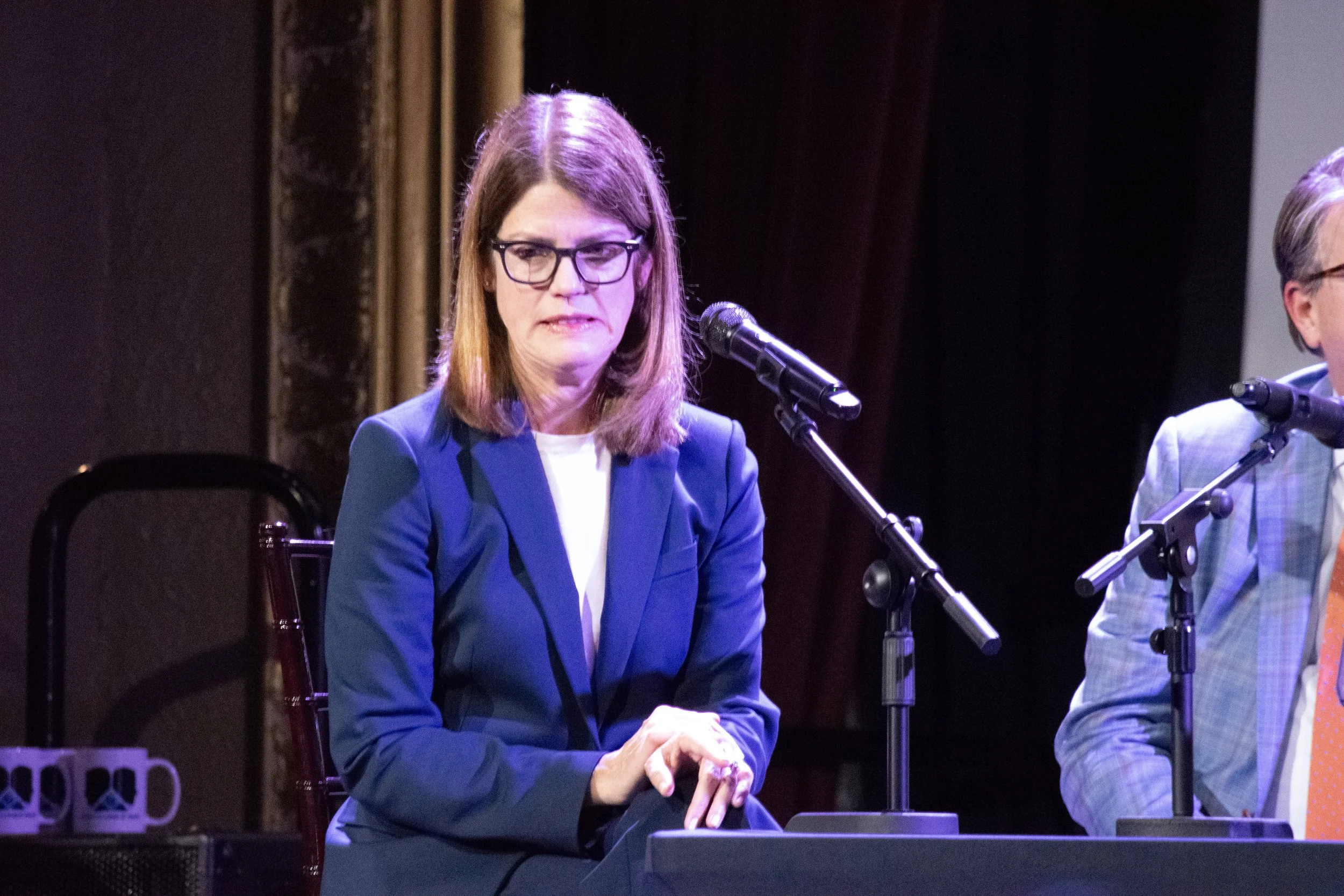
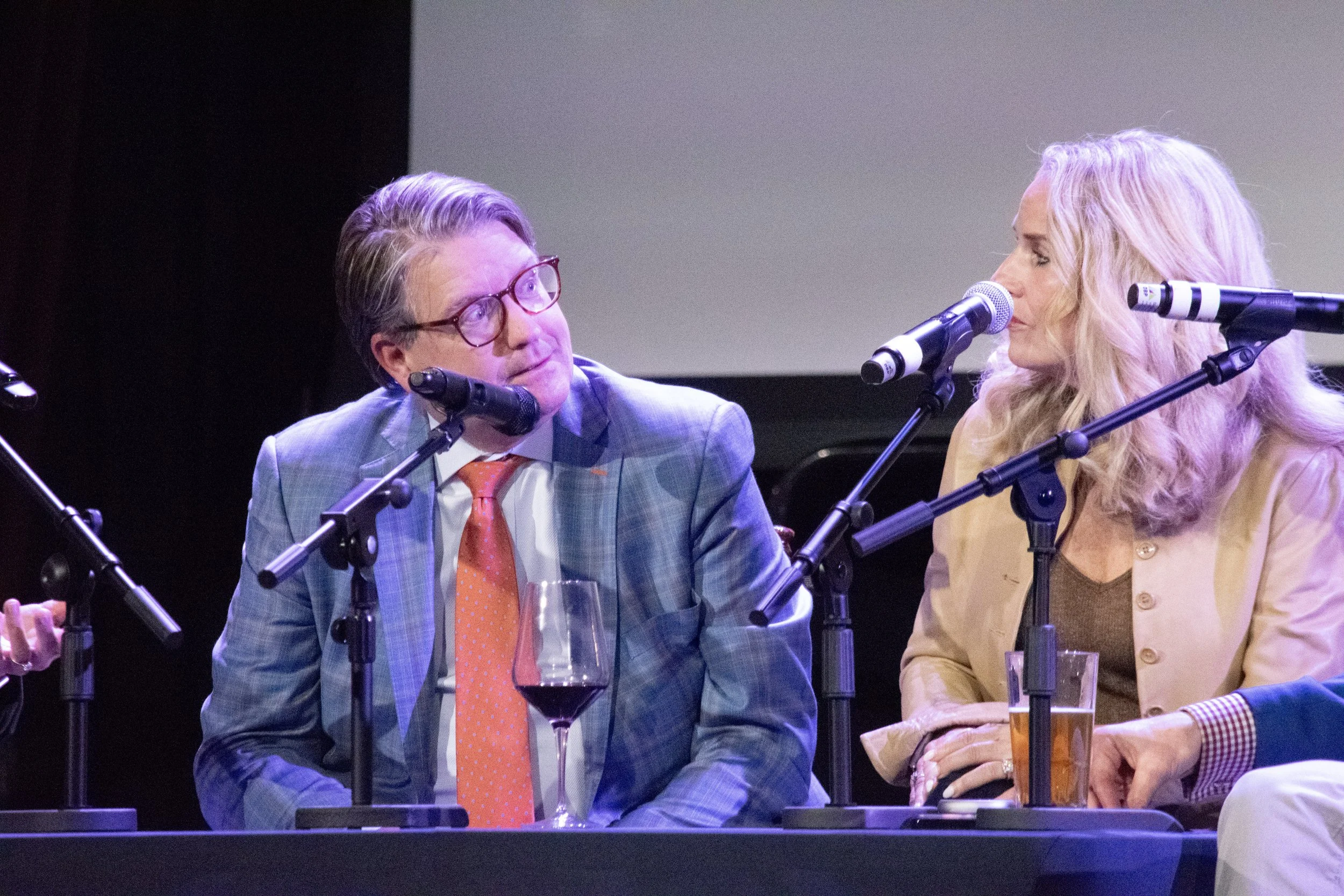
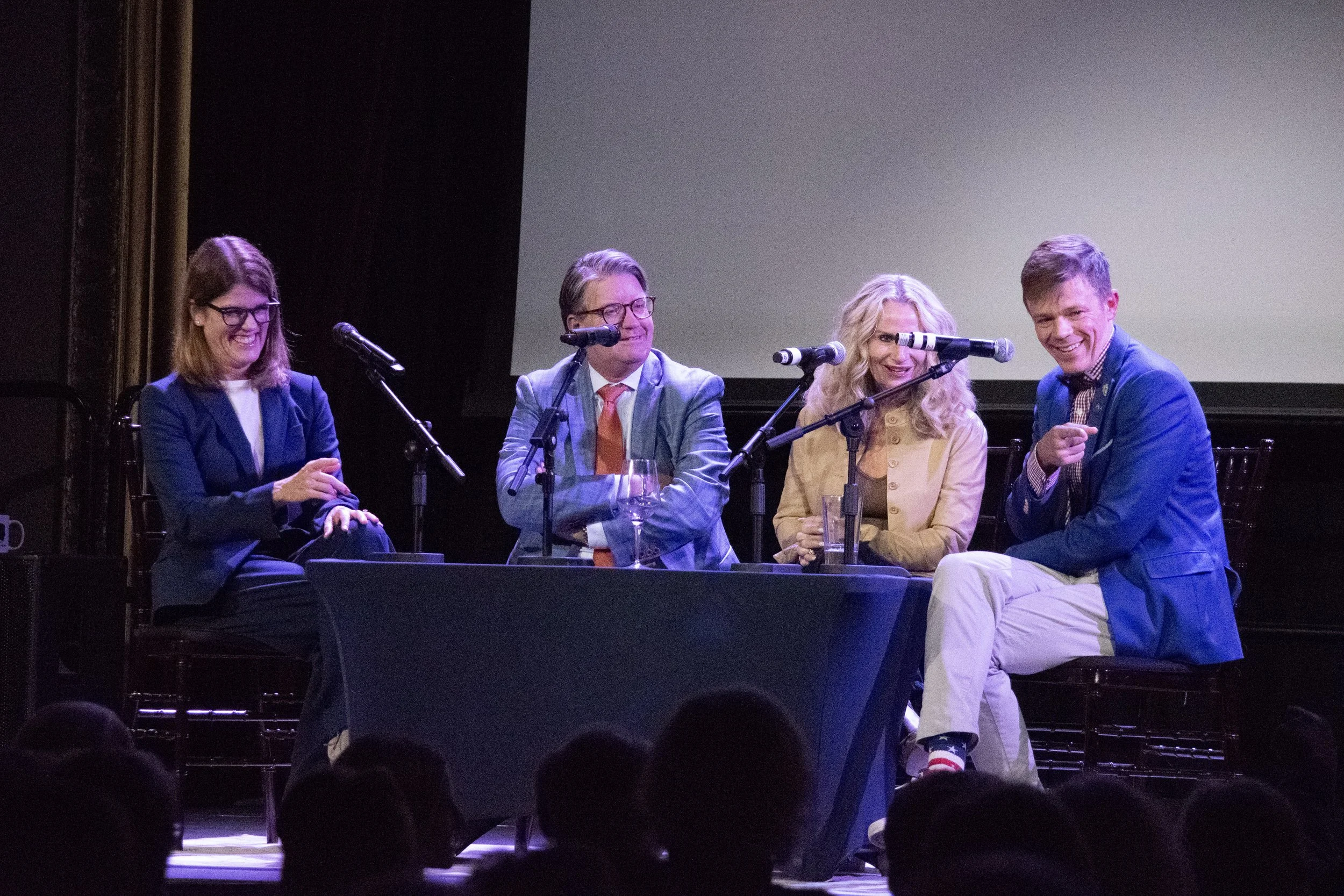
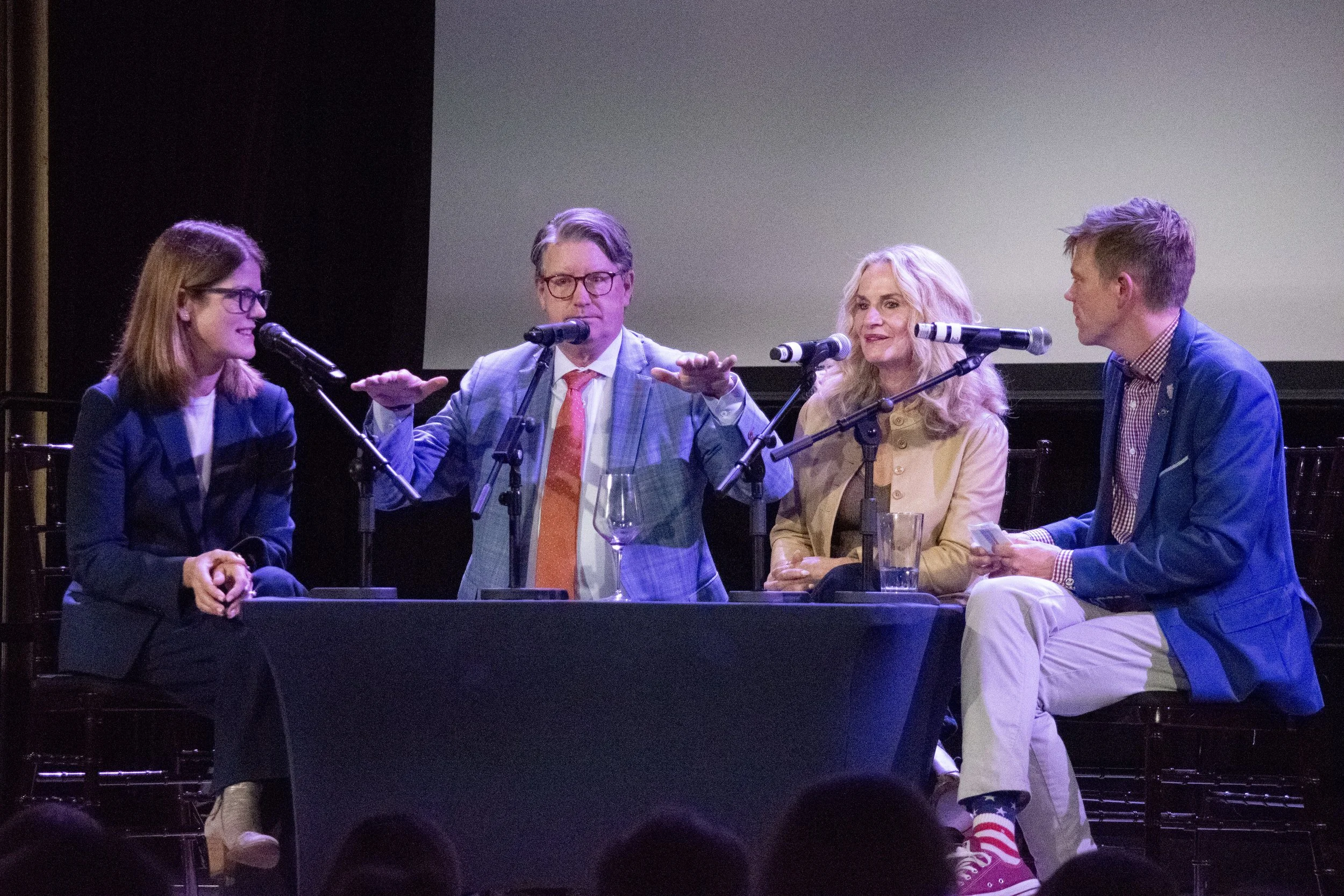
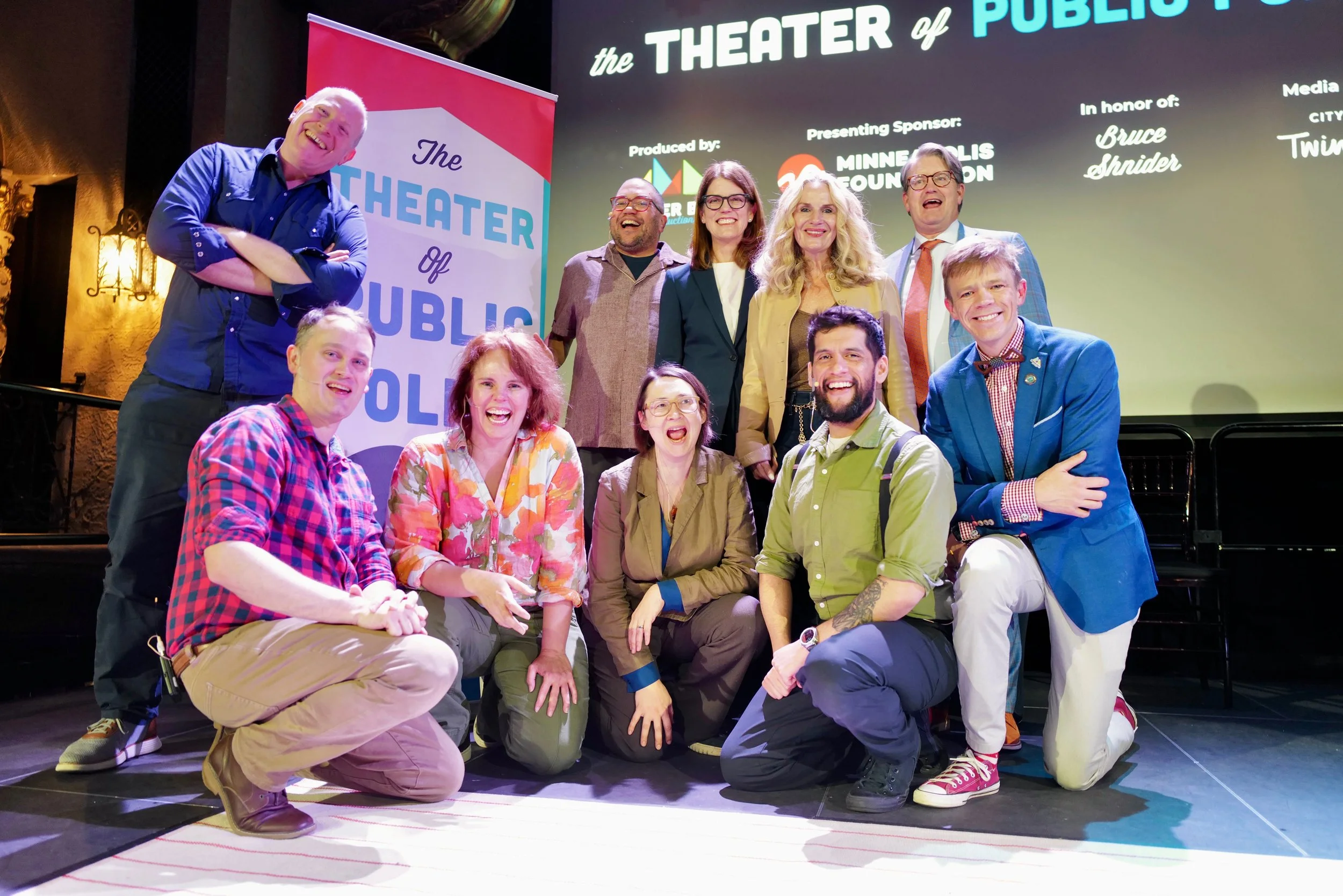
This week on The Theater of Public Policy, Tane Danger sat down with political reporter Mary Lahammer, media analyst Blois Olson, and political science professor Kathryn Pearson to break down this year’s midterm elections, especially sweeping wins for the Democratic party across Minnesota and the nation.
The group discussed what motivated voters (issues, candidates, or both), what Governor-elect Klobuchar will do with the new DFL trifecta, and what the future holds for Minnesota Republicans.
They didn’t always agree, which is good! One of the main goals of The Theater of Public Policy is to present different perspectives and get comfortable with (respectful) disagreement. And hopefully we proved that sometimes, disagreement can even be fun! We are incredibly grateful to our guests for sharing their honest opinions and informed analysis with us and the audience.
Listen to the full conversation—sans improv—below.
Video: The Theater of Public Policy - Midterm Election Recap (Nov. 10, 2026)
Audio: The Theater of Public Policy - Midterm Election Recap (Nov. 10, 2026)
Where’s the improv?
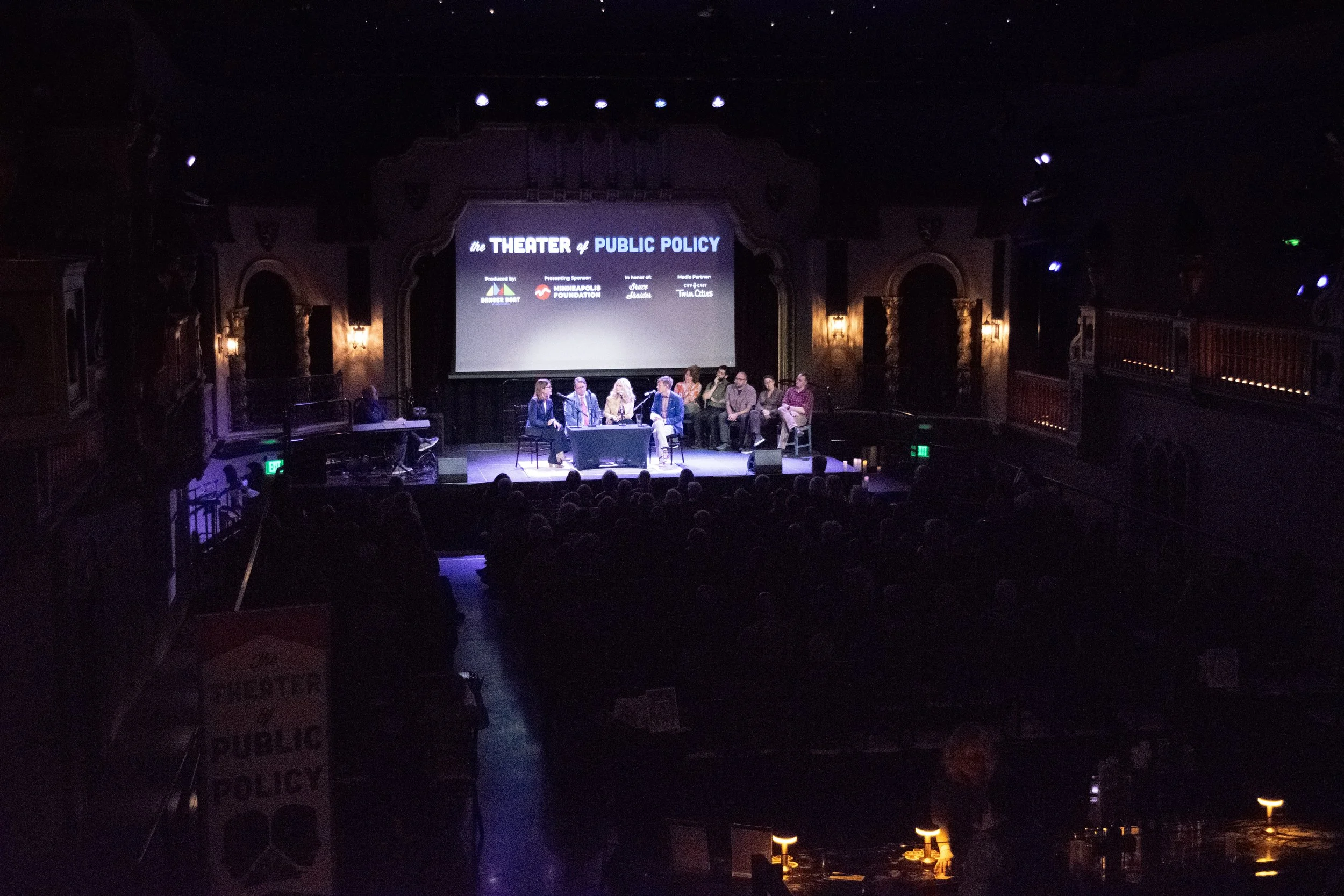
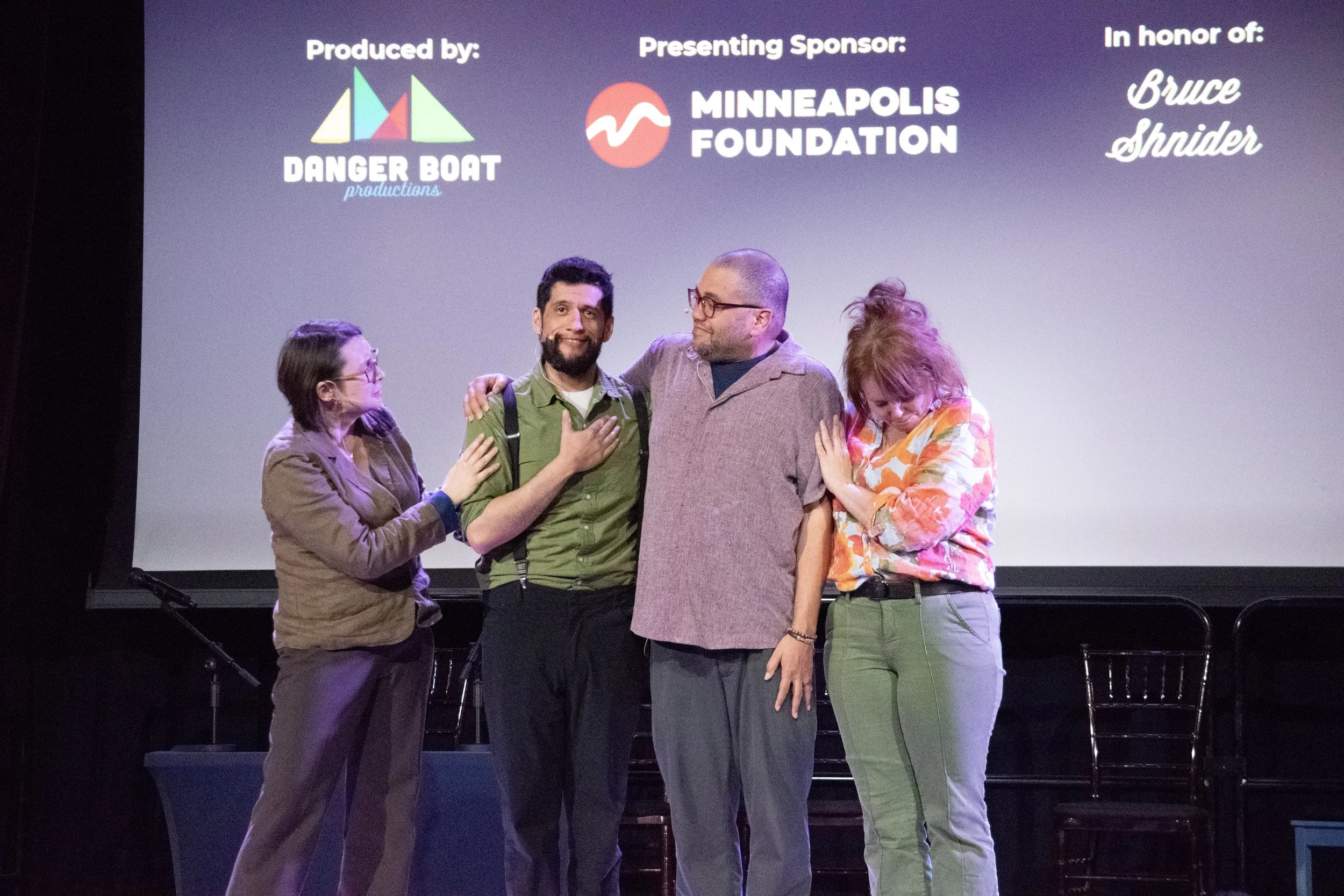
For those unfamiliar, The Theater of Public Policy features an onstage interview or debate about an issue or policy-related topic. Then, a very talented team of improvisers takes the conversation and turns it into unscripted comedy scenes. If you want to see the improv, you’ll have to come to the show in person!
Click here to see upcoming shows on The Theater of Public Policy.
About the guests
If you’d joined us in-person at the Granada Theater, you’d also have gotten a very snazzy program that included short bios for each guest. Here they are for those who weren’t in attendance:
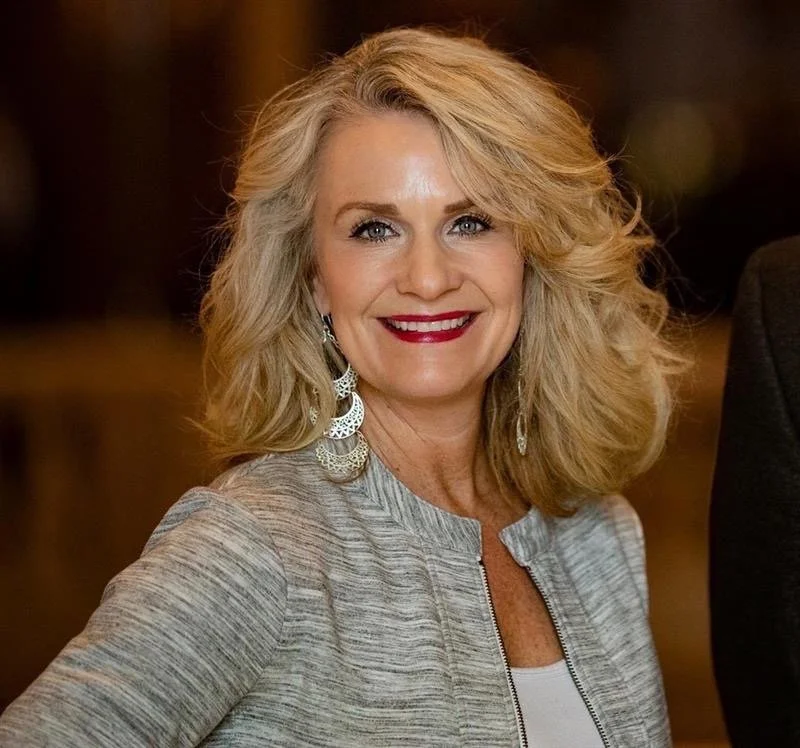
Mary Lahammer has been a program host and political reporter for Minnesota PBS since 1998. She has won more than a dozen regional Emmys and numerous other awards in several states for her anchoring, reporting, producing and photography. The Emmy chapter inducted Mary into the National Academy of Television Arts and Science Silver Circle for more than a quarter center of an “indelible impact” and on the media industry. Lahammer was named one of the "Best Capitol Reporters in America" by the Washington Post, "Best TV Reporter" by Minnesota Monthly and "Best Newscaster" by City Pages Magazine.
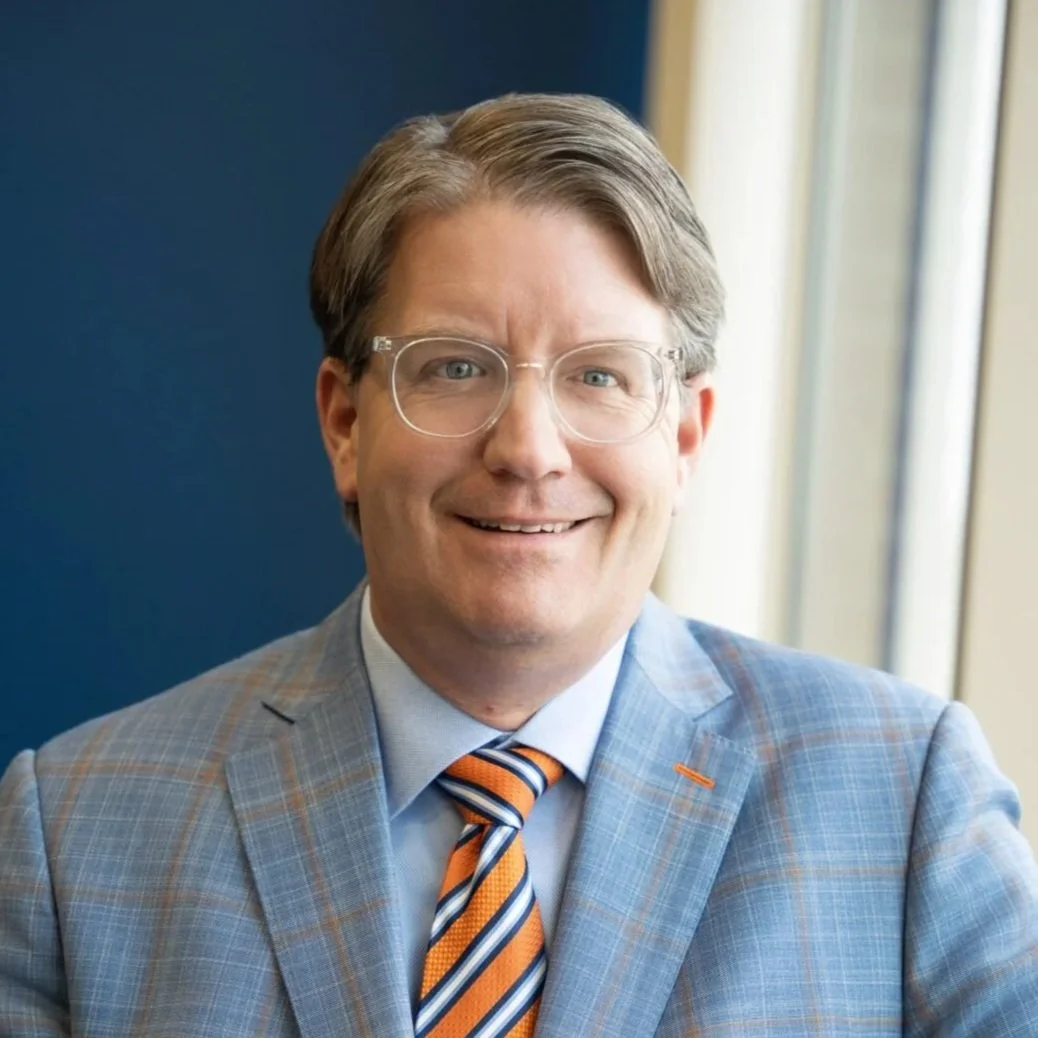
Ever since receiving his first computer as a paperboy, Blois Olson has lived at the entrepreneurial intersection of media, technology + communications. Today, he leads Fluence companies as one of the Midwest’s most sought-after CEO advisors, WCCO Radio media analyst, and publisher of Minnesota’s most read daily tip sheets.
After managing political campaigns in the 1990s, Blois built and sold his first agency before founding Fluence in 2012. Featured in The Wall Street Journal, Politico, and MSNBC, his innovative and strategic thinking drives nationwide client success through relationship-based counsel aligned directly with core business objectives.
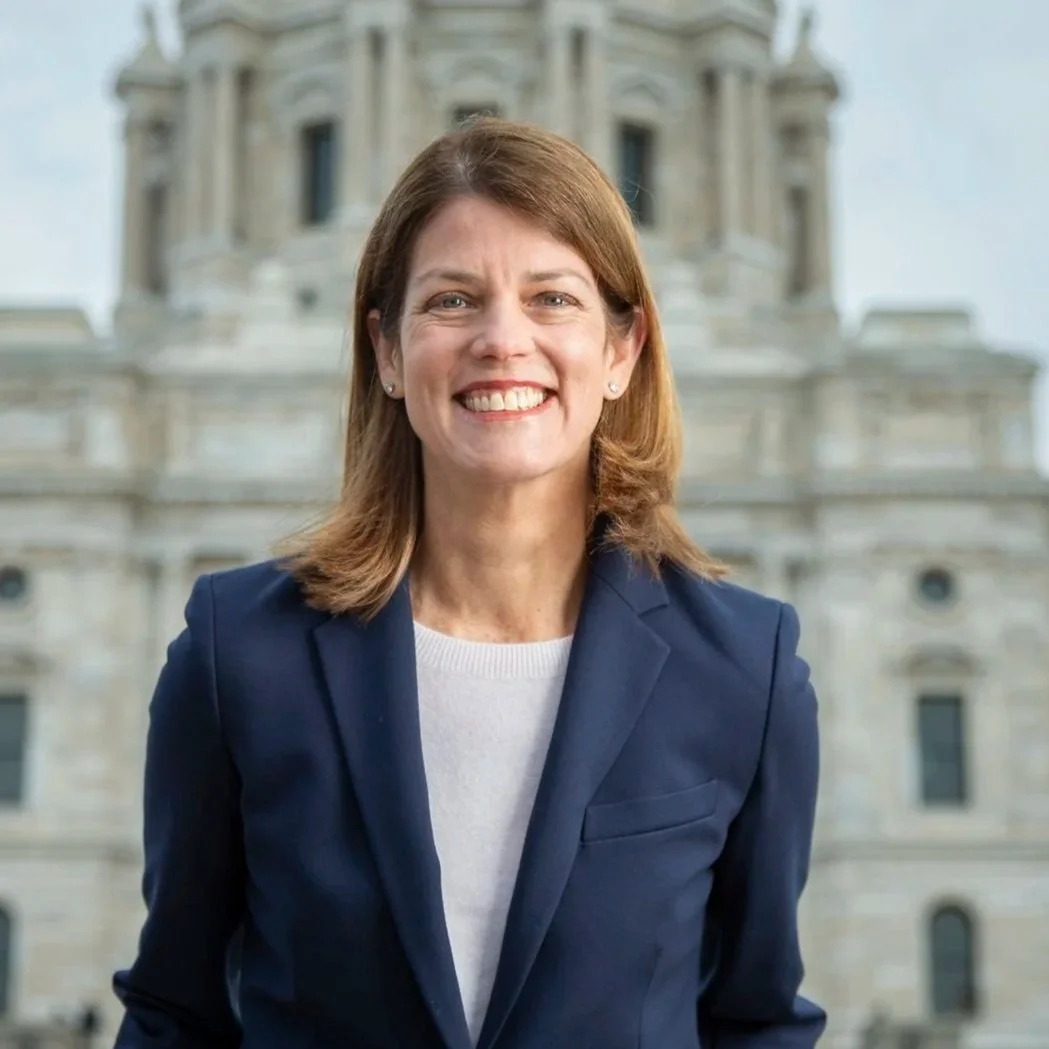
Professor Kathryn Pearson is the Director of the University Honors Program and an Associate Dean of Undergraduate Education. Her research and teaching focuses on the United States Congress, congressional elections, political parties, and women and politics. Her research has recently appeared in The Journal of Politics, Perspectives on Politics, Legislative Studies Quarterly, Political Research Quarterly, and Politics & Gender. Her book Party Discipline in the House of Representatives was published by the University of Michigan Press. She is working on a new book, analyzing congresswomen's pursuit of power in a partisan era. She contributes political analysis to many local media outlets.
Full Transcript:
Tane Danger:
Okay, let's dive in. I want to talk about all politics, all the things. Professor Pearson, when we've done these before, I like starting with you because you can give us a big picture on... We are just a week away now from the midterm elections. And one of the debates that I've been hearing a lot in terms of how Democrats won as big as they did around the country was, was it that Democrats turned out a whole lot more people or that Republicans stayed home? Was it a matter of conversion or just people dropping out? What say you?

Kathryn Pearson:
Some combination of all of the above. The structural pieces were at work for Democrats to have a good year. President Trump was historically unpopular. The economy was not doing well. The war in Iran was unpopular. People were concerned about the state of the country. That sort of together spells democratic victories in a year where the president is a Republican, but the reason the victories were so pronounced is because of sort of the cumulative dissatisfaction and a number of really strong candidates in different states and districts that match the constituency concerns, whether that's sort of candidates that were appropriate for Kansas and Kansas or candidates that were appropriate for Iowa's concerns about tariff and diesel in Iowa. And so it was a combination of both things. Democrats did a good job of mobilizing their voters. Some Republicans stayed home, but midterm elections turnout was higher than normal, but still below a presidential election. So it was a little bit of everything, but it was most of all a repudiation of President Trump.

Tane Danger:
I want to be a Kansas for Kansas, or maybe I don't want to be a Kansas for Kansas. Mary, you've been out all over the state. You do individual house race coverage across Minnesota. Did you kind of see this all coming or were you taken aback on Tuesday?

Mary Lahammer:
It's funny because I do state legislative races to watch and go to the most competitive districts all across the state. And to quote all of those candidates, in fact, even one of the Democrats said, "I don't see a blue wave coming. I think it's going to be very close," they said. "Yes, it's true because it was so hard to measure. There's not great polling and they were polling some of these very close races. In fact, even days out, Republicans were feeling confident they were going to flip the Minnesota House or Senate. They thought they were going to get one chamber, in particular the Senate, which tends to favor rural areas. They did not see the blue wave hitting that hard in Minnesota because of fraud. Republicans thought they had a huge issue coming. They though they had a winning issue coming on fraud. Remember fraud took out Governor Tim Walz.
I'm wondering if he's feeling awfully bad about not running for a third term right now, but Amy Klobuchar, maybe this is what she uses to run for president now. That's one theory.

Tane Danger:
I mean, one piece Blois, it does seem like Democrats statewide did somewhat similarly well. There's some distance between Klobuchar and Flanagan, but I'm curious, how much did candidates matter in Minnesota versus was it just sort of like an environmental?

Blois Olson:
I actually don't think candidates mattered as much as the mood. Senator Klobuchar got 56% of the vote. Nobody was more than two points behind her on a statewide ticket. That hasn't happened in the last 12 to 16 years where there wasn't somebody else. So for instance, this is the first time that Keith Ellison wasn't five to 11 points behind the top of the DFL ticket, and he was one point behind. This just shows that every undecided, every independent independent split, nationally, 66 to 34 in favor of Democrats. I think it was a little bit 70 / 30 in Minnesota. But I'll just tell you, one of the organizing tactics that you just didn't know what it would be was Metro Surge. So a year ago, if I would've told you that we were going to organize in January outside with law enforcement supervision to win the campaign, people would've just thought I was crazy, which sometimes they do.
But that turned out to be a way in which these legislative candidates got to know their neighbors, collected their cell phones, collected their emails in a way that was uniting, not asking for help. And that was the unknown infrastructure behind the scenes.

Tane Danger:
So this is really interesting to me, the Metro Surge part, because I hear what you're saying on the individual legislative or campaigns being able to organize this way. There's a part of me that would say the state that had Metro Surge happen to it would've seen a bigger blue wave than other parts of the country. And Professor Pierce said, "We didn't. Our margins were not as wide as places in the South and things. We did not move as far."

Kathryn Pearson:
We didn't move as far, and it was less shocking. I mean, looking at... I mean, Georgia, Ossoff wasn't really... I mean, he was predicted to win, but it went so quickly in Georgia, all the statewide elections. And I mean, we're waiting for the results of Mississippi. I mean, Texas was huge. It was supposed to be a toss up. I mean, so yes, many of the states that saw the wave were very surprising. Minnesota, less surprising, but also, I mean, in some ways, all of this can be over-determined, right? Everyone only has one vote for all these factors that contribute to it. And one of the dynamics that we're seeing, or not seeing, I should say, and Mary and I have gone back and forth on this before, is split ticket voting. There just isn't a lot of it.

Blois Olson:
Anymore.

Kathryn Pearson:
Anymore.

Mary Lahammer:
Yeah. We used to. Yes.

Kathryn Pearson:
Right. And there is some, obviously, the margins were not identical, but there is much less. I think where political scientists and some analysts got it a little bit wrong is that there was the assumption that partisan calcification was so rigid that the waves couldn't be this big anymore in contemporary politics. We used to see waves this big and bigger all the time, but in today's contemporary era, we're so calcified with our partisanship that there's just less of a swing, so turnout mattered, and there were some independents who went overwhelmingly democratic.

Mary Lahammer:
One thing I learned door knocking, and this was in a competitive race in Blaine, which is kind of targeted that north metro area. Millions were spent in some of those targeted legislative races. Again, you make $60,000 and people are spending a million or two or $3 million. Or six. Yeah, or six million. Yeah. The final numbers are in for a $60,000 job. So that's disproportionate to begin with.

Tane Danger:
So you're spending $6 million to win a $60,000 job.

Mary Lahammer:
Yeah. What's wrong with that? I mean, we could have a whole night just on that, but Operation Metro Surge, and I heard in Blaine out door knocking, and there are districts that are diverse now, Shakopee, Blaine, that were not close. And when we were out following candidates door knocking, we heard from some voters saying, "We haven't voted yet on Metro Surge," because only 25% of Minnesotans voted in the primary. While it was a record, it's still a minuscule amount. And what we kept hearing from Democrats is voters have some pent up hostility. They still want to vote on this issue. Because many, many Minnesotans hadn't been heard yet, unless you voted in the primary. Turns out maybe that was true.

Tane Danger:
I mean, I always kind of have this, we are always looking, I think you said for like, oh, what is the thing that convinced me? And I've always kind of got this notion voters just pile up all of these things and they're just like, I don't like it. I don't like the metro surge. I don't like the gas prices. I don't like the war. All of this just feels bad.

Blois Olson:
My golden rule is there's never just one thing. And when people go, what's the one thing? Just stop. There's never just one factor.

Mary Lahammer:
Was it the president though? Was that the one thing at the time?

Blois Olson:
Well, but it's not him by himself. It is the juxtaposition of corruption in DC while your gas prices are going up and you can't afford things. And I think I can say this accurately, only one of us of the four of us was alive the last time this happened. And that was 1974.

Tane Danger:
Everyone's like. Everyone looks great boys. We all have good skin.

Blois Olson:
I though you were all younger. Now you were all younger. You're getting old too. No, but the historical perspective here is that there was not a double digit swing like this nationally since 1974. And that was Watergate. And there are undertones of Watergate here related to corruption, et cetera. Ironically enough for the history, so in 2020, I called Humphrey's last speechwriter, Bob Meek, and I said, "Okay, Mr. 1968, what do I need to know about what we have to learn from 2020?" And he said, "It won't feel stable for 10 to 12 years." He said, "Not until Reagan was elected did it feel like the country had decided a direction." And he said, "And we don't know about a Watergate incident yet." So I've made that note. So 1974, six years after 1968 and Watergate. 2026, six years after 2020. We've seen this cycle before.

Tane Danger:
That is very good analysis. That is why I like that. Lori Sturdivan actually was one of the few people I saw leading up to the election who she was not only alive, she was covering. And she was like, "I think this feels like 1974 to me." So I want to give her -

Mary Lahammer:
I was her nanny, for the record. I helped raise her children.

Tane Danger:
Yeah. Oh, I was like, you're not old enough to be.

Mary Lahammer:
No, I nannied her children. Yeah. So I got to learn from Lori Sturdivant through my teenage years by nanny children.

Tane Danger:
I want to talk about some of those demographic shifts. We saw, I think the really biggest shifts in Hispanics and young white men, that those two didn't quite... Young white men went for Trump in 24. Hispanics just moved towards Trump. But in this case, they swung way back towards Democrats.

Kathryn Pearson:
Right. Hispanics swung back by 28 points. And a lot of that was sort of coming home to the Democratic Party where they had been and veered in 2024. But Hispanics are sort of cross-pressured, a little bit more conservative on some of the social issues, but also very concerned and hit hard by the economy, by ICE and immigration. And so you often see Hispanics being cross-pressured, and so that's not as surprising. Young voters were more democratic than they were two years ago, especially young men.

Tane Danger:
Well, and - Oh, go ahead.

Mary Lahammer:
I've got insight on this because you mentioned the soccer player who plays for the University of Texas. So half of my life has been spent in Texas and around young people, and you could really see it and feel it coming. One data point, and Catherine, you're great on data. I think this is right. A county in Southern Texas swung 60 percentage points, 60 percentage points, a border county, highly Hispanic. Isn't it true that Texas has 40% of its populations, Hispanic, every single statewide race flipped? It's like they forgot that the immigration enforcement might turn on them. So that state alone is the most fascinating -

Kathryn Pearson:
And the economy hit Hispanic voters right now.

Mary Lahammer:
And young people. So my daughter, a native Minnesotan who's living in Texas for the first time decided to vote in that state. She called me two weeks ago and said, "I just stood in line for two hours for early voting in Texas, mom. I think something might be happening."

Tane Danger:
I mean, one piece I want to ask about this, I was at a different post-election thing last week and one of the speakers was talking about this exact thing and he said, "These voters came to Democrats, but they are not Democrats necessarily. The Democrats are maybe renting them right now or dating them.

Mary Lahammer:
My daughter's dating some of those right now.

Blois Olson:
Gen Z has flipped every election since 2020. And one number I like to throw out, but young women voted less for Kamala Harris than they did for Joe Biden. They voted more for Trump two years ago and they all came back. I have a 23-year-old male and a 21-year-old female. That's how I identify them in the focus group.

Tane Danger:
Of your family.

Blois Olson:
And they're my children.

Mary Lahammer:
Yes. They're a good focus group.

Blois Olson:
But they're a good focus group. And never before, since probably Vietnam, has there been a generation more impacted by the decisions of government in their lives. And they are very, very mindful of that. And they may have heard about it a lot at the kitchen table as children.

Mary Lahammer:
And what did they do, Boyce? Can you share? Were they emblematic of what we saw in the big picture?

Blois Olson:
I would say, I don't know what they did, but they did both vote in Minnesota. They did call me to ask me who to vote for and I said, "There's a thing called the internet. Do your homework."

Mary Lahammer:
Because I do remember last time we did this panel and you shared what happened.

Blois Olson:
Yeah. My kids both swung to Trump two years ago. And it was because -

Tane Danger:
He won the election, y'all. A lot of people swung towards Trump.

Blois Olson:
No, and they swung to him because they were... I mean, Joe Biden promised to cancel their college debt and they said, "We cannot be bought." They are libertarian at their core. Think about being in your 20s and being told you can't leave your house. It's the freest part of your life. Wouldn't we all like to go back to that?

Mary Lahammer:
But you also had a daughter and choice was on the ballot and it wasn't this time. It's amazing. It still is, but it isn't.

Blois Olson:
Right. Democrats tried to make it an issue.

Kathryn Pearson:
It was in Maine.

Blois Olson:
It was in Maine.

Mary Lahammer:
But it's amazing how little we heard about that issue versus last cycle.

Blois Olson:
That's the other thing. You follow the national stuff closer, but I was in Kansas where my daughter goes to college and saw some of the debate there and just realized that one candidate was a better candidate. But in each state, from Iowa to Texas, to Kansas, to Maine, to Minnesota, there is a local issue that also shifted D. In Iowa, it was water. The pollution in Iowa local water is very high right now, and ag people are worried about their local water, and Republicans didn't have an answer for that. And so we talk about national trends, we talk about Minnesota, but there's still local politics in every one of these states.

Mary Lahammer:
They're still gorgeous candidate for governor. I'm sorry, I just have to comment because he's a former Prada model.

Tane Danger:
I'm aware.

Mary Lahammer:
Okay, good. So am I.

Blois Olson:
No doubt. Yeah. I hadn't heard that.

Mary Lahammer:
Yeah.

Tane Danger:
Sorry.

Mary Lahammer:
But he campaigned on that issue. He campaigned on the environmental water.

Kathryn Pearson:
They're all local issues, but they all went the same way. I mean, the swings were uniform. And in part, when President Trump put his thumb on the scales in some of these races, he chose poorly, like Paxton in Texas. Talarico's margin was such that he probably still would've won, but Cornyn might've pulled it out.

Blois Olson:
It

Kathryn Pearson:
Would've

Blois Olson:
Been a different race if Cornyn's there.

Mary Lahammer:
Absolutely.

Kathryn Pearson:
I mean, some unforced, I mean, terrible egregious errors with that ad in Ohio's governor's race.

Blois Olson:
Right. Created by a Minnesotan Republican consultant.

Kathryn Pearson:
Really

Mary Lahammer:
Good factoid.

Tane Danger:
Wow. He's not here, is he?

Blois Olson:
No.

Mary Lahammer:
No. But you'll only hear it here.

Tane Danger:
Yeah. Okay. I was going to save this for a bit because this is going to be kind of like a crowd pleasing question, but I'm going to ask it anyway because I don't usually ask particularly partisan questions this way, but I do think that this is worth asking. Has there been a worse person for their own party than President Trump?

Kathryn Pearson:
That's not partisan.

Tane Danger:
That's empirical. Right.

Kathryn Pearson:
After being

Blois Olson:
Lyndon Johnson.

Tane Danger:
I don't know. Was Lyndon Johnson worse? Lyndon Johnson decided not to run again. And he didn't. Lyndon Johnson, I don't know. Somebody might know the history better. I don't think he went around picking people because they looked good on TV. And then when his party lost said, "I don't care."

Mary Lahammer:
He didn't talk about backsides. We had a lot of conversation.

Blois Olson:
You don't know that because not everything was streamed.

Tane Danger:
Actually, I'm going to just say I'm going to fact check this. Lyndon Johnson actually literally was recorded talking about his own backside at this.

Mary Lahammer:
Correct. But not in front of thousands of people.

Tane Danger:
That's true. Anyway, we're way off track here. We're way off track.

Mary Lahammer:
I mean, there were a lot of butts in ballrooms.

Tane Danger:
My point is, I just think about, I know Democrats have extreme animosity towards President Trump. I really, if I were a Republican, if I were John Cornyn, I could not imagine the rage that I would have towards President Trump, frankly.

Kathryn Pearson:
Or any vulnerable Republican when President Trump is saying vote like I'm on the ballot. That is exactly what vulnerable Republicans didn't want to happen is for people to vote like President Trump was on the ballot.

Blois Olson:
Except Republican turnout in greater Minnesota was 300,000 votes less. So they do know that. There's billboards in central Minnesota that say, if you voted for President Trump in 2024, vote Republican in 2026. It's the DFL turnout machine that Republicans have not been able to counter in midterms in Minnesota. Then independence shift. So it's combo.

Mary Lahammer:
And led by the person, by the way, who defeated the marriage amendment that would have banned same-sex marriage in the state, Richard Kalbram. Richard

Tane Danger:
Kalbaum.

Mary Lahammer:
Who's now running the state party. We were the first state in the nation to take that down. He's also now running that boots on the ground operation here in Minnesota for context.

Tane Danger:
So one other question then, since you brought up Richard Kalblum, does National Democratic Party leader Ken Martin also a Minnesota -

Mary Lahammer:
From Minnesota.

Tane Danger:
Is he basically -

Mary Lahammer:
Are we so homering? I love that.

Tane Danger:
Is he basically taking a victory lap for the next six months?

Blois Olson:
I know Ken Martin really well. He is not the kind of person who needs a victory lap. He will just simply walk into a room and people will clap and then he'll decide if he wants the job again. The crap show he went through for not raising as much money as Republicans, for having to take out a loan for this to be the case, it is a middle Minnesota model of investing everywhere, Mississippi. But Ken's not the kind of guy who's going to take a victory lap. If it was Richard Karlbaum, he'd take the biggest victory lap of his life.

Kathryn Pearson:
Well, what is so interesting is usually in tidal wave elections, whether it's Republicans or Democrats who are having the wave election, the money follows. So the party that does best on election night in a wave year, they also raise the most money. That didn't happen this year. And campaign finance laws have changed. So the big donors, the outside spending, but that was sort of an interesting difference in this cycle.

Blois Olson:
And that was true in Minnesota. So in Democratic races, the second district primary, the DFL Senate primary, the candidate who raised the most money lost. In the US Senate race and the general Michelle Tafoya outraised Peggy Flanagan. And so that's usually not the case.

Kathryn Pearson:
Right. Especially in a wave election.

Mary Lahammer:
But also the lesson of Ken Martin is compete everywhere and file everywhere. And for the first time, Democrats filed in all 201 legislative races. And we are looking to very likely have a congressional seat flip. Remember we had four Democrats and four Republicans. We had an evenly divided congressional delegation. We no longer do. If this holds down in the first district - In the first district,

Tane Danger:
Johnson might upset.

Mary Lahammer:
And House Republicans failed to file candidates in 17 seats. One of the seats they failed to file in was in Mankato. And in Mankato, they lost thousands of votes, and that could have been the margin of victory in the first congressional district. So compete everywhere is the message.

Tane Danger:
Oh, go ahead.

Kathryn Pearson:
Yeah, no, no. Great point.

Tane Danger:
I have a couple more questions. I want to wrap up sort of looking at the election. In the second half of the show, A, we want to get your questions. So please, if you got questions, write them down. Our team will pick them up and we'll bring them to the second half. And I really want to dive into what happens next, where we go from here. I'm going to ask one kind of like... I think that this is an important question, but it might be somewhat unpopular, but I do feel like a national trend we saw was that more moderate candidates seemed to do better across the country than more progressive candidates, that we saw that in... So I mean, you're shaking your head a bit.

Kathryn Pearson:
Well, yes, in some states and districts and no, not in others. I mean, it really varied. And I think the message is that the fit of the candidate to the state or district is really, really key. Now, there are some states that would elect a moderate or a liberal either way, and it's fine, but there is no way that Kansas would've elected a liberal Democrat. So it does matter, but it's the fit.

Blois Olson:
Well, I would say also in Kansas and in Texas, you had Democratic candidates who could talk to evangelicals.

Audience member:
Amen!

Mary Lahammer:
Really good. Whoever amened to that.

Blois Olson:
That was really good. But one of the things from the '90s when I started in this business was the Democrats ceded values debates to Republicans because of the Christian Coalition. And now Democrats have figured out in places like Kansas and Texas, you don't have to seed that debate and you can have an open discussion about it. And you had a wave and you had candidates that were really bad in both Kansas and Texas on the Republican side.

Mary Lahammer:
And Democrats purposefully recruited, they said, patriots, veterans and people of faith and said one party doesn't own that anymore. We're taking that back. Not one party owns the flag, owns faith. That's for everybody.

Blois Olson:
I will say this because I've been known on this panel to say some things that get the crowd a little riled up.

Tane Danger:
That's why you're here.

Blois Olson:
Mill City folks. The idea that there is deep faith in the pictures and the noisemakers is BS. The Faith Coalition of Minnesota is not a faith coalition. It is a political operation.

Tane Danger:
Wow. That is a strong statement that you are going to have to say another sentence about.

Mary Lahammer:
Talarico doesn't -

Blois Olson:
I am talking about Minnesota.

Mary Lahammer:
Okay.

Tane Danger:
So go on.

Mary Lahammer:
The seminary in Talarico throws that.

Blois Olson:
No. I'd like to see their congregations when they wear the collar at the press conference.

Tane Danger:
Oh, now you're like, my dad's a pastor, so now we're fighting.

Blois Olson:
I used to be married to the pastor's daughter and sister, et cetera.

Mary Lahammer:
Who I went to elementary school with, for the record,

Blois Olson:
Because it's Minnesota.

Mary Lahammer:
It is.

Tane Danger:
Everyone knows everybody. So the last piece, I'm going to end on this. What I really liked about this election is kind of where you started, Professor, was that we did see people competing places that in my lifetime, we didn't really see Democrats competing in places in a serious substantive way. We had red states and blue states and there were kind of like six places in between. And I think in Minnesota even, we saw Democrats sort of competing in rural places where we wouldn't have imagined. I will say, I'll put my cards on the table. I want Democrats to compete in those places. I want Republicans to compete in city place.

Blois Olson:
Your home city?

Tane Danger:
Yes. I want Republicans to compete everywhere and I want Democrats to compete everywhere. But I'm wondering, you started by saying the political scientists, maybe we got too attached to the... We're so calcified. We're calcified. Does this break that a little bit? Do people have a different imagination?

Kathryn Pearson:
So in many ways, yes. Does it mean that 2028 will be a fundamentally different landscape than previous presidential cycles? No. A lot can happen in two years. And if you think to the wave of 2010, the wave of 1994, two big Republican election cycles, Clinton, Obama reelected easily two years later. So a big wave for one party does not determine the presidential election two years later. It will spark a very interesting conversation within both parties about who the best nominee would be. And for Democrats, it will really jumpstart some of the party building that Ken Martin has started in some of these states where they though Democrats would never have a chance statewide.

Tane Danger:
Wow. That is such a great tee up to the second half of the show where we're going to look for it. But for right now, we got to do a big round of applause for this incredible panel. Katherine Pearson, Boyce Olson, Mary Le Hammer. We're going to take her season. All right. As I promised, we're going to take our seats in the house. So what happens now is the cast of the Theater of Public Policy is going to take the stage. They are going to take everything that we just talked about and do an entirely unscripted improv theater performance based just on this conversation. It is entirely made up. Nothing is pre-planned. So be generous and make a big round of applause as we get started with the Theater of Public Policy.

[Improv Break]

Tane Danger:
Big round of applause. Everybody, that's great. Actually, keep that round of applause going as we welcome back to the stage our incredible panel for this evening, Mary Lahammer, Kathryn Pearson and Blois Olson. Come on back up on stage. Be careful. Walk on down. Got a handful of questions here. Come on down. That's good. Hi everybody. That's good. All right.

Blois Olson:
Tane, according to popular trends, you need more candles for the next concert.

Tane Danger:
Yes, I know. If we had 10,000 candles in here, this thing would be sold out every night of the week and we would all have to learn violin. Okay.

Mary Lahammer:
Can I just confess I'm feeling really guilty for raising butts?

Tane Danger:
Oh no.

Blois Olson:
Only in Minnesota are you worried about talking about people's butts.

Tane Danger:
I mean, again, you're on an improv show. This is what you learn.

Mary Lahammer:
I should have felt that in the moment that it was going to come back.

Tane Danger:
No, it's great. I mean, and in fairness -

Mary Lahammer:
It was butts and ballrooms and ballrooms never came up.

Tane Danger:
Well, we have a whole second act.

Mary Lahammer:
Okay. Oh, inspiration.

Tane Danger:
Okay. So I want to look forward. I've got some audience questions. So the DFL has a trifecta going forward. They have majorities in the House, in the Senate, and obviously the governor's mansion. Now, I've heard multiple DFLers, including Nick Friends from Mankato, be quoted to say, "This will not be like the last trifecta in 2023." What does he mean by that, Mary?

Mary Lahammer:
Well, if you watched Almanac Friday night and saw Senator Governor elect Klobuchar, you could hear our aggressive questioning about the fact that she is facing a very progressive DFL trifecta with a large appetite for tax increases. And she has essentially given a no tax increase pledge, unlike we haven't seen since Republican Governor Tim Peleni. And she knows she has tough sledding ahead in her Democratic legislature. So she's already been reaching out to rank and file Republicans who she may need to pass a budget without tax increases, which is just around the corner.

Blois Olson:
Here's one for you. Before Amy Klobuchar is sworn in as governor, she will have spent more time with legislative Republicans than Tim Walz did in eight years.

Tane Danger:
Can you say more about that?

Blois Olson:
She's already meeting with Republicans. Here's what you learn in the US Senate. You learn to count votes and she can count votes and she believes in relationships. She also, I don't know if you've heard this, was the most bipartisan senator pretty much in the history of butts, but I mean -

Mary Lahammer:
There it is again.

Blois Olson:
You're never living this one back.

Mary Lahammer:
I'm never, never.

Blois Olson:
But you have to, this is going to be a different culture. And here's some data. We have 55 new legislators who are not going to figure out things. We had 28 chairs of committees retire. We lost 514 years of legislative experience. And if you take away Anne Rest and Sandy Pappas, you're still over 400 years.

Mary Lahammer:
Yeah.

Tane Danger:
Wow.

Mary Lahammer:
But that's tax chair and bonding chair. Two of the biggest vote counters in all the legislature.

Blois Olson:
85% of legislators returning have only served under one governor, Tim Walz. The legislature has moved down a notch because Tim Walz was unique as a governor because he was a fifty fifty. He might even given the legislature 60%, 65% sometimes. Most governors get 80% of what they want. And knowing Senator Klobuchar, I'm guessing she's like, most governors get 80, I'm going to take 90.

Kathryn Pearson:
And she herself is motivated by bipartisan impulses, not just her history in the Senate, but she was thinking about her own political future, which would be most likely running for reelection as governor, but could include a presidential bid. And she's also thinking about the reelection of some of these DFLers who won because it's a wave, especially in the House will be facing reelection in two years. And so she's also worried about keeping a majority as many will be as well. And then there's also not the pent-up legislative demand that there was during the last trifecta.

Mary Lahammer:
Yeah. Brian McClung, Governor Tim Pawlenty, Republican Governor Tim Pawlenty, spokesperson said, "I think this will be the most like Governor Pawlenty, governor we've seen in Klobuchar." She is very pragmatic. She's very practical. But remember, he was a member of the State House. He was majority leader. He was practical. He was plotting. He was hands-on. That's what he meant by that, that there would be relationships with the legislature, that there wouldn't be question marks, there wouldn't be last minute deals, that she was going to let the legislature know where she was coming from beforehand, not after, like the last two governors.

Blois Olson:
For the person who booed, just for the record, Governor Pawlenty though he was getting a $1 billion shortfall and he got a $4 billion shortfall.

Mary Lahammer:
Six in the end. It actually grew to six. He had incredible hulk of budget shortfall, six billion.

Blois Olson:
So he had to work through that. And by the way, in 2006, which I thought might look like 2026 with an unpopular president, Republican in an unpopular war, Governor Pawlenty won reelection in Minnesota in a midterm. And so there is a pragmatic side to the state budget, which has grown by 40% since 2022.

Mary Lahammer:
And has to be balanced. Unlike the federal budget, there is a constitutional mandate to balance our state budget and it is headed for a deficit. So Klobuchar needs Republicans to balance it.

Blois Olson:
I have a question for the audience.

Tane Danger:
That's great. I'll go to the bar.

Blois Olson:
Okay. What's the number one cost driver of the city of Minneapolis and city of St. Paul's budget in the upcoming budget? Labor contracts, salaries. No. Paid family medical leave. Well, I'm just telling you that your liberal mayors can't afford the program without further raising your property taxes because of the commercial property tax base has crashed.

Tane Danger:
So one piece that I've heard as an analysis of this past election was that we are all materialists now, right? This entire election was sort of fought over affordability, the cost of gas.

Blois Olson:
I though you were talking about your wardrobe.

Tane Danger:
Yeah. Yes, I am very materialistic.

Kathryn Pearson:
I thought we were going back to Madonna hits.

Tane Danger:
Yeah, I'm a material girl. But then we did spend a good amount of our political bandwidth 2020 talking about a lot of identity issues, social issues, a variety of things. And now the ground that we are fighting on is what can we afford? How can we make people's lives cheaper? And it feels like that is a different conversation than maybe we had five years ago.

Kathryn Pearson:
The economy is always one of the top issues, but depending on the economic circumstances drives the extent to which it's really the focus of the campaign. Presidential elections especially, the economy really, which is interesting because actually a president is sort of overly blamed when the economy's not going well and sort of given undue credit when it is going well. There are a lot of forces that shape the economy, but I think voters in this election could look around at their economic circumstances, couple that with the tariffs, war in Iran, things that President Trump did sort of unilaterally that also caused problems for the economy in addition to the underlying conditions to start with. And so I mean, it makes most people, not this audience, most people don't care that much about politics on a daily basis, but they do care about whether or not they can afford gas and housing and childcare and how the economy is doing.

Blois Olson:
And the reality is in Minnesota, we can't afford those things without a vibrant economy. And we are at our slowest growth rate in 37 years. 65% of Minnesotans believe we have an excellent or good quality of life. 40% of Minnesotans believe we have a strong economy for the future. We can't have a good quality of life without a strong economy. And for every $1 billion in new GDP or one point in GDP in the state, the state coffers grow by $500 million. So if you grow the economy, you'll have money in state government to pay for the things you want.

Mary Lahammer:
In other words, paid family leave is likely to get some reforms under a moderate

Blois Olson:
Governor. Klobuchar.

Mary Lahammer:
That's the reality. She's been talking to businesses for months preparing for this administration, and that's what she heard from businesses in the state that they can't afford it.

Tane Danger:
It also felt to me like part of the story of this last election was that there is still partisanship, although maybe some of the partisanship is more malleable than we thought it was, but that parties seem wildly unpopular. Who was excited about being a part of either party this past election? And I'm wondering if that creates an opening for kind of the way our other panelists are talking about Governor Klobuchar trying to say, "I'm going to find some other path here."

Kathryn Pearson:
I mean, I think Klobuchar has an opening for bipartisanship because she starts as governor with just this wealth of experience and knowledge, both about policy issues in Minnesota and nationally and experience working in a bipartisan way, getting 60 votes to get things done. So the experience that she will bring to the governor's mansion is just totally unprecedented and unique and she will hit the ground running. And as I said earlier, she's strongly incentivized to be bipartisan because she wants Minnesota's economy to improve and she wants to get reelected and she wants Democrats to get reelected too.

Mary Lahammer:
I'll give a data point on that. So at the beginning of the year, I launched a podcast and I have Democrats and Republicans on all the time.

Tane Danger:
Spin sisters. Subscribe today.

Mary Lahammer:
Yes, subscribe follow like on YouTube. And we have Democrats, Republicans on. We get a couple hundred hits here and there. We launched with third party Governor Jesse Ventura and got two and a half million views.

Tane Danger:
Somebody did ask the question about -

Mary Lahammer:
The appetite's real. It's real.

Tane Danger:
Somebody asked about what about independence? All this discussion has been about Democrats versus Republicans. What about independents?

Blois Olson:
This would've been a great election for a third party gubernatorial candidate.

Mary Lahammer:
Yes. If the standards weren't harder, what happened

Blois Olson:
Quietly - Who changed the rules?

Mary Lahammer:
Democrats in the trifecta made it harder for third party ballot access in Minnesota.

Kathryn Pearson:
Oh, the political scientist is going to disagree with all of this.

Mary Lahammer:
I love it. That's why we are here. Let's hear. Go, Catherine.

Blois Olson:
So you don't think an independent wouldn't have got double digits in this environment?

Kathryn Pearson:
No, I do not.

Blois Olson:
In the governor's race?

Kathryn Pearson:
I do not. I do not because

Blois Olson:
If they had money and ideas -

Mary Lahammer:
And name ID, which was a unique - Let her in.

Kathryn Pearson:
Sorry.

Mary Lahammer:
We're so impressed.

Kathryn Pearson:
Structurally, it is very hard for third parties to break in Minnesota and nationally. And you know, 19 -

Mary Lahammer:
But we' had three just party governors.

Kathryn Pearson:
I know.

Mary Lahammer:
Three. I know.

Kathryn Pearson:
I'm sorry I'm so aggressive.

Mary Lahammer:
I can't help it.

Kathryn Pearson:
I know that parties are unpopular. The data clearly show that, but most people who care about politics have a partisan identification, even if they initially tell a pollster that they are an independent. Pollsters ask sort of the common party question. If someone initially says an independent, then they say, "But do you lean toward one party or the other?" If they give a party that they lean toward, they're going to vote for that party. If they say they're a pure independent, they are less likely to vote. They're less likely to follow politics, be knowledgeable about politics. Pure independents are somewhere between eight to 10% of the electorate. And research in election cycle after election cycle shows that partisan leaners vote for that party at equally high rates as sort of the middle ground partisans.

Mary Lahammer:
Isn't party ID at an all-time low though?

Kathryn Pearson:
Well, Minnesota, it's really hard to tell because we don't register by party. So party registration is not the way to look. If you look at survey data, no, partisan identification is just as strong. The parties are unpopular. That is for sure true. The ratings of both parties, very low, but that's different than partisan identification and the independence -

Mary Lahammer:
What about party identification? Is party identification at an all-time low? Because we kept hearing that data point.

Blois Olson:
Or independence at an all-time high.

Mary Lahammer:
Yeah, we kept hearing that.

Kathryn Pearson:
So most of the independents are not actually independents. They lean toward one party or the other.

Blois Olson:
So you don't believe what people say?

Kathryn Pearson:
I believe what political scientists say, and that is that most independents are partisan leaners.

Tane Danger:
Okay. Interesting. We have talked about -

Mary Lahammer:
She's good, by the way. She is good. I'll give her.

Tane Danger:
Yeah. Yeah. Yes.

Mary Lahammer:
That's great. Hubby in the house. I love it.

Tane Danger:
So we've talked about Democrats, we've talked about independents. We've talked byproduct about Republicans, but what do Republicans in Minnesota do from here? Are they just an oppositional party?

Blois Olson:
I mean, my line has been that I can't say they're going to win statewide until they actually win statewide. And I said that about Democrats in Texas, and that just happened. There was once a Time Magazine cover that had an upside down elephant that said, "Are Republicans extinct?" And then Donald Trump got elected. Look -

Mary Lahammer:
But was he really a Republican?

Blois Olson:
Well, he won.

Mary Lahammer:
Right. But he kind of changed the party.

Blois Olson:
He beat a Republican field.

Tane Danger:
But this actually is a good tee up for the question though, because in the last week you have seen numerous... All of the sudden, Paul Ryan is coming out from the cave that he lived in for the last -

Mary Lahammer:
That's good. Wisconsin forest.

Tane Danger:
Five years. And Mitt Romney is making noise and all that. And Ron DeSantis is like, "I told you all along, you should have voted for me in 24." And so this is what I'm curious about. It's like, do Republicans all of the sudden find some new religion about, "Well, we all knew this Trump guy was a bad guy. We want to go back to a different kind of politics."

Kathryn Pearson:
That is the fight that will happen in the 2028 nominating contest, and we will find out because there will be some MACA candidates. There will be some strongly anti-Trump candidates. There will be some candidates who just ignore Trump altogether, don't say positive or negative things, and just want to talk about other issues. So it will really be an interesting contest, but there's no doubt that this election cycle just dampened JD Vance's chances.

Mary Lahammer:
I'd say it's a split decision in Minnesota though. If you look at legislative leaders, the Senate Republicans picked a new leader. They chucked their old one and they went with a new young Jordan Rasmussen, Fergus Falls, a younger guy who went to Harvard, kind of a new look for them. But House Republicans stayed the course and stayed with Harry Niska, the guy who lost them a whole bunch of seats. So I'd call that a split decision.

Blois Olson:
Mark Johnson has a young family and decided not to run again. Harry Niska didn't really get a chance to be the leader because he was overshadowed by the speaker who then ran for governor. So now he gets a chance.

Mary Lahammer:
But he could have been challenged and he wasn't.

Blois Olson:
Correct. And look, I mean, that's inside baseball. The larger question here is post-Trump Republicans, what are they for and what can they bring people to? And I agree with Catherine. In two years, Tane, I have no doubt you'll have us back. I hope so. We'll break down the presidential election and we will know who the candidates are. But if you think about this, if Democrats pick AOC or a far left candidate and Republicans pick a more moderate, I don't know, Paul Ryan -

Tane Danger:
Nikki Haley. Yeah.

Blois Olson:
Nikki Haley, somebody like that, and that Republican wins, it's a different story. America is not as liberal as the DSA and they are not as crazy as Donald Trump.

Tane Danger:
And in Minnesota, because whatever people, I can kind of imagine maybe what some of this crowd thinks of Lisa Demuth, but I have been saying for this whole campaign cycle that there are a lot of ways, as a politician, she was very impressive. She ran to become Speaker of the House after winning a school board candidate

Mary Lahammer:
Woman to ever be speaking as a writing candidate.

Tane Danger:
She rose to be Speaker of the House. She did not get Donald Trump's endorsement. She did not win her party's endorsement at the convention, and she still managed to come through and become the candidate for governor. Is she done with politics?

Mary Lahammer:
I don't know. Most Republicans I talk to say you don't recover in one election cycle from a loss that's devastating that it's a two cycle recovery plan.

Blois Olson:
Here's what I can tell you about Lisa Demuth. She didn't wake up and worry about her next political move because political people think like that. Lisa Demuth never thought like that.

Tane Danger:
Really?

Blois Olson:
Yeah. She's kind of normal.

Mary Lahammer:
Honestly, she's kind of a normal person, honestly.

Blois Olson:
Unlike everybody in this audience, including the people on stage.

Tane Danger:
Yeah.

Mary Lahammer:
Yeah. She's shockingly normal.

Tane Danger:
So you think -

Blois Olson:
If the opportunity gets there, but I will say this, Kristen Robbins was on NewsTalk 830 WCCO yesterday with Venita Sakar and sounded a lot like a 2027 US Senate candidate.

Mary Lahammer:
Agreed.

Tane Danger:
And that's a very interesting thing is that we will have a Senate contest in 2027.

Kathryn Pearson:
Yes.

Tane Danger:
Before we get to that, somebody does want to know who will Amy K/Tim W. Appoint to fill Amy K Senate seat.

Blois Olson:
Let's just start with this. Just please put to bed any idea that Tim Walz has any say over this pick. He has none.

Mary Lahammer:
But he still might make it because of seniority. Did you not hear our interview? She said basically that's going to happen because of seniority. So if she waits - Because of seniority.

Blois Olson:
Yeah.

Mary Lahammer:
If she waits, then they lose seniority.

Blois Olson:
But it's her pick.

Mary Lahammer:
It is, but he makes it.

Tane Danger:
The idea for the audience is just that if -

Blois Olson:
Tim Walz will do what Amy Klobuchar tells him to do.

Tane Danger:
Amy Klobuchar says, "I want so-and-so to be the Senate person." And Tim Walz appoints them the last week of December. They have an extra week of seniority over everybody else who gets sworn in on January 3rd. It's her pick, but he doesn't. I know three names.

Kathryn Pearson:
Yeah. I mean, it's going to be someone who would run well statewide in 2027. It's going to be someone who has already been elected either statewide or at the federal level or maybe in the legislature. It's going to be someone who has high name ID, who can hit the Senate, hit the ground running in the Senate.

Blois Olson:
It's not going to be anybody who overshadows Amy Klobuchar, and it's not going to be anybody that goes to Washington, and Amy Klobuchar gets texts from her former colleagues that say, "What the hell did you just do?"

Kathryn Pearson:
And it will be someone who is a little more moderate.

Tane Danger:
Steve Simon?

Kathryn Pearson:
Steve Simon, Kelly Morrison.

Blois Olson:
Angie Craig's the dark horse.

Mary Lahammer:
Yeah, those three.

Tane Danger:
Somebody says...

Blois Olson:
Let's put it this way. I know we're in Uptown, and I know there are bike lanes and medians that prevent people from doing commerce here. However, Minnesota is about to lose every ounce of seniority on ag issues. Two members of the Senate Ag committee, a subcommittee chair in the house, and a ranking member in the house. Ag is the second largest part of Minnesota's economy, like it or not. And Amy Klobuchar is well aware of that. And Angie Craig would hit the ground running on Ag. That's why she's the dark horse.

Mary Lahammer:
Yep.

Tane Danger:
That's a good note. And then somebody does wonder if you have any thoughts on Amy Klobuchar's cabinet, if you really want to get into the weeds of it.

Blois Olson:
It will be bipartisan.

Tane Danger:
You do think so.

Blois Olson:
She has said that.

Mary Lahammer:
I think a team of rivals is quite possible.

Blois Olson:
I don't think it's going to be a very big team. I think that'll be one or two.

Mary Lahammer:
I think she'll do a nod or two.

Blois Olson:
Yeah, I think so. There's a lot of people campaigning for jobs with Amy Klobuchar, and I will tell you that nobody campaigned for Lieutenant Governor. They got chosen, and they got chosen because they got stuff done. She liked a mayor who did economic development, who was plucked out of nowhere.

Tane Danger:
Former Mayor of Fergus Falls Ben Schierer.

Mary Lahammer:
Very good. Yeah.

Blois Olson:
Again,

Mary Lahammer:
Fergus.

Blois Olson:
And so I think it'll be bipartisan. I think she'll attract people back to state government who will want to work in a state government that works. Everybody knows she's tough to work for. And by the way, I think citizens of Minnesota want a governor who pays attention to detail.

Mary Lahammer:
And she's going to be doing the top to bottom audit/gutting of statement.

Blois Olson:
I've never heard of that.

Mary Lahammer:
Yeah. She maybe has a plan for that. That's maybe her number one priority because she ran into the fraud, not away from it, which is interesting because Flanagan and Klobuchar ran completely different campaigns, but won by about the same amount.

Blois Olson:
Which shows you that issues don't matter.

Mary Lahammer:
Maybe not.

Tane Danger:
Oh, come on, Blois. What are we doing here? So speaking of the last piece, looking for it, I mean, you were saying, "I do hope we're back here together two years from now." I mean, do any of you just have thoughts of what are we in for going into 2027? Is it going to be interesting times as the curse goes? Or is it going to be like we're going to come back in two years and be like, "Well, that was kind of boring."

Kathryn Pearson:
So there is no reason to think that the executive orders will stop. If anything, we'll see more of them. We'll see more congressional pushback because Democrats will control committees and oversight and all of that and can pass legislation that will be vetoed about whatever the issue is. But we will definitely see more of Congress pushing back, sort of fulfilling its Article one duties, everything that they can do. But I think that there will be some frustration that there was this blue wave election and a lot of issues came to the forefront, and it will be very hard for Congress and the president to work together to get much done on them. I mean, December 11th shutdown, anyone?

Tane Danger:
Fun. Anybody else?

Mary Lahammer:
I'd say statewide it isn't your mother's trifecta. Last time around, there was a lot of pent-up demand and Democrats wanted to do everything they didn't do the time before they had the trifecta. They already did that now. Klobuchar's way more moderate than Tim Walls turned out to be, because remember, Walls came from a purple congressional district. We thought he was really moderate. He didn't govern really moderate. I actually think Klobuchar could end up being more moderate than Walz in reality, but we'll see.

Blois Olson:
I think it's a guarantee that Amy Klobuchar is more moderate than Tim Walz. She knows one word that Tim Walz never learned, which was no, he had one veto in eight years. Second, I think that the dynamic that we're walking into is different than the last trifecta. We have had trifectas before, and they didn't cause the PTSD that the last one caused. And so you can't take the outlier trifecta and say it's going to be like that again. And then the other point about will it be boring or not? I think Minnesota will find its own lane again, which has been our success historically. And the last part on the federal level is I never thought I'd be quoting Anthony Scaramucci. However, he was on a podcast and he's known Trump for 40 years and he said Trump cares more about Trump than he does Republicans, and now he will be focused on his legacy.
So as per your shutdown, probably not, or it'll be short because he doesn't have a problem spending money. He will cut deals if it means his legacy, and that will allow Republicans to figure out their stuff on the inside without him as they get ready for 28. Wow.

Tane Danger:
Bold predictions. Would you all come back if we do this again in a couple of years and we see if everybody was right or not? Well, good. Let's do it. But for now, let's do a big round of applause for these three brilliant people, Kathryn Pearson. All right. We got about 10 minutes left to turn it one more time to the cast of the Theater of Public Policy, just like before. Everything they do is entirely made up. It's all improvised. So one more time, make a round of applause as we get started with the Theater of Public Policy.