
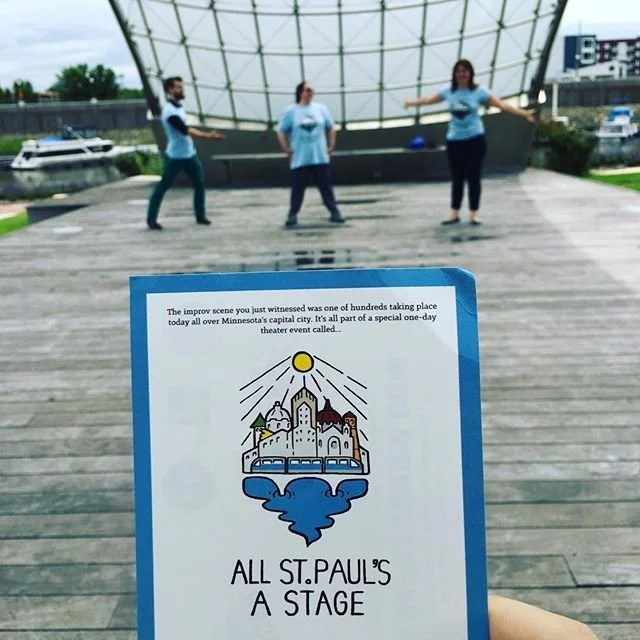
What We Learned from Turning All of St. Paul into a Stage
by Brandon Boat | 15 min read
In 2016, Danger Boat Productions tried a strange little experiment: What would happen if improv comedy didn’t wait for people to come to the theater…
What if the theater came to them?
That question became “All St. Paul’s a Stage,” a one-day citywide improv project that sent teams of performers across St. Paul to deliver short, customized performances called Improvgrams. They showed up in offices, public spaces, coffee shops, parks, and other everyday places to surprise people with live, personalized comedy.
Looking back at the survey data and final project report 10 years later, one thing stands out: The project worked not only because it was funny, but because it was personal, unexpected, and rooted in the places where people already live their lives.
What was All St. Paul’s A Stage?
All St. Paul’s a Stage was a Danger Boat Productions project (then operating as The Theater of Public Policy) supported by a grant from the Knight Foundation. The goal was ambitious: turn the entire city of St. Paul into a stage for one day.
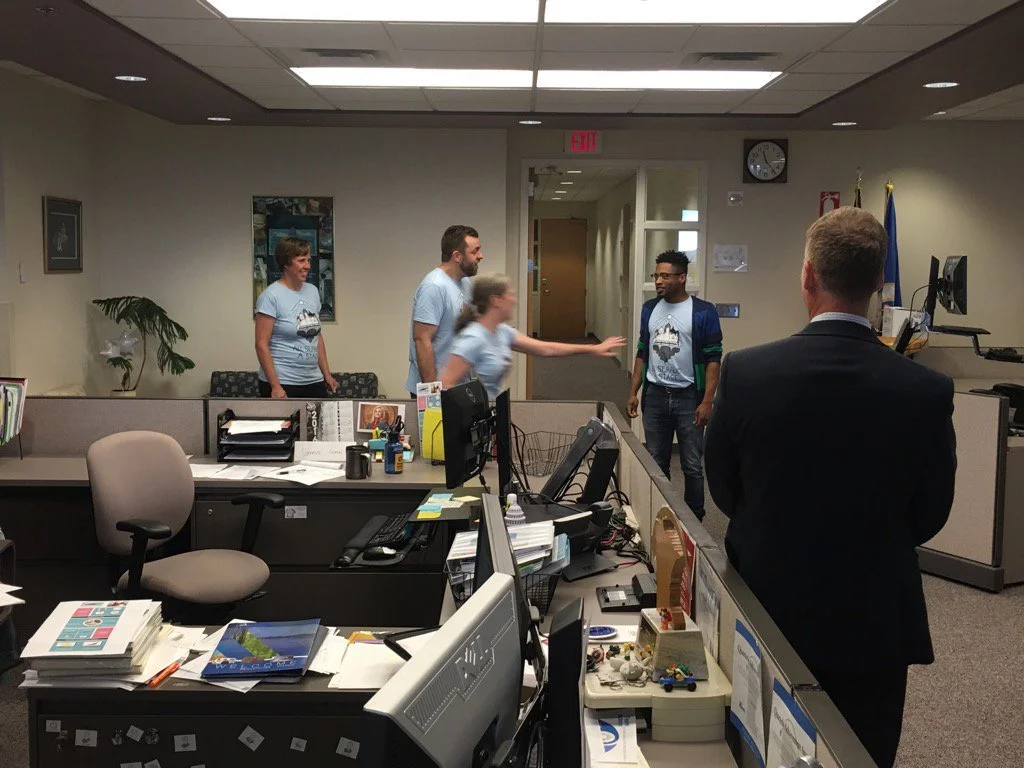
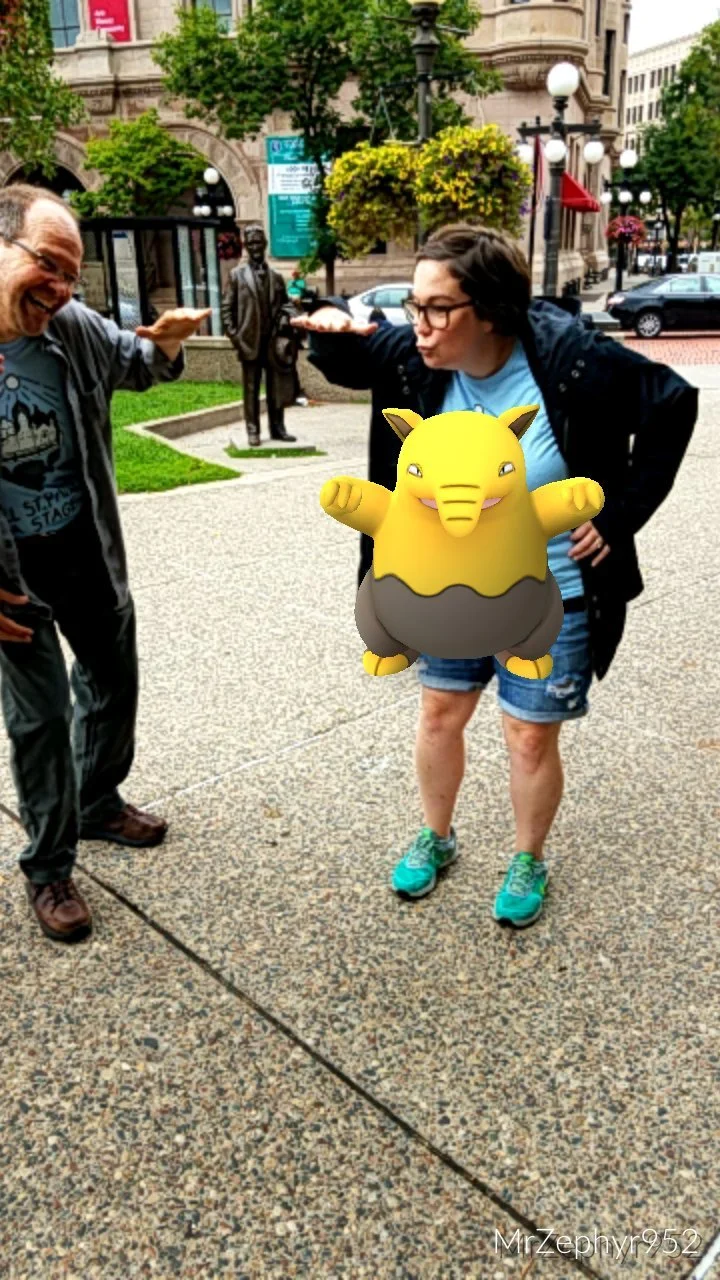
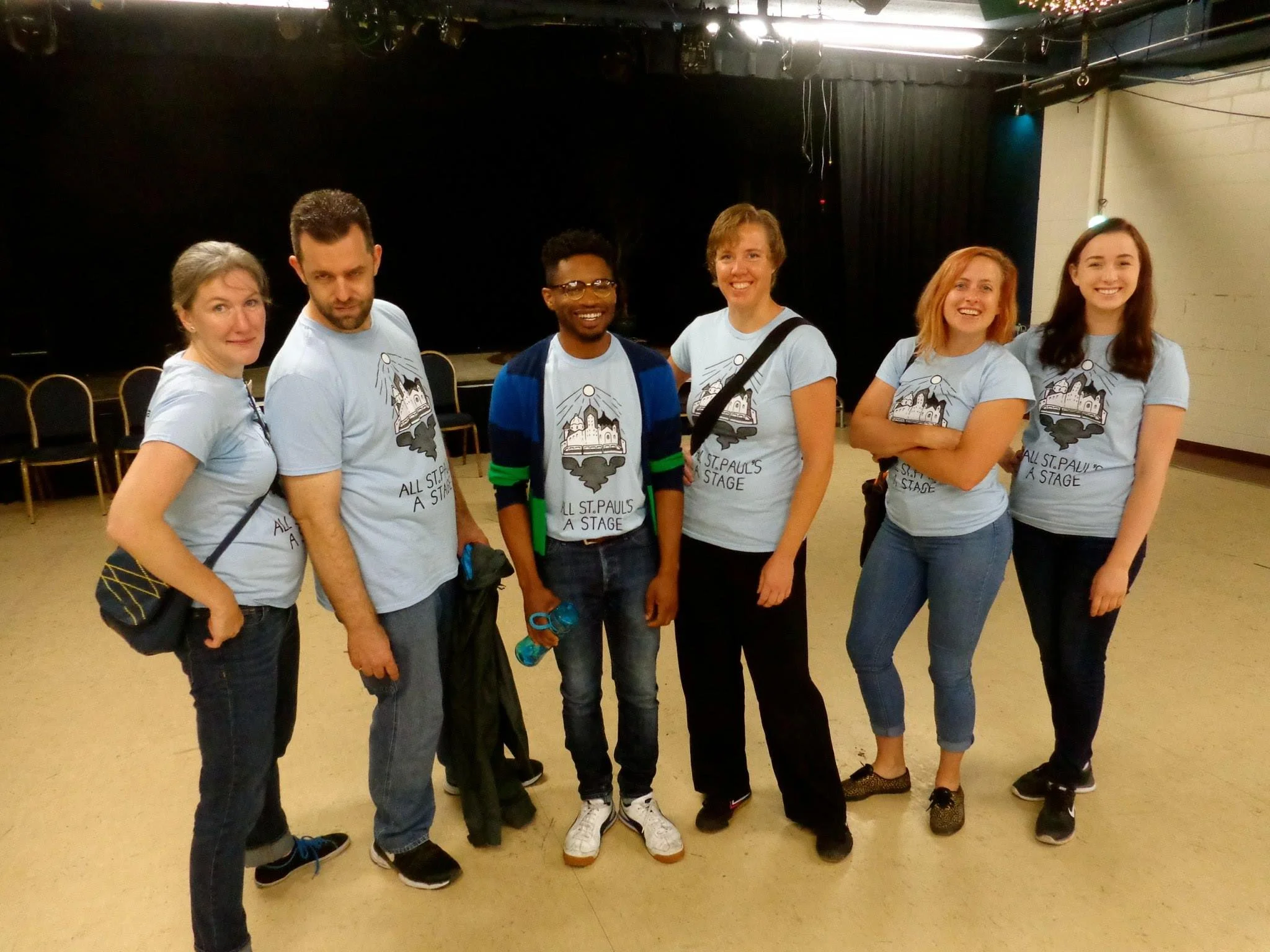
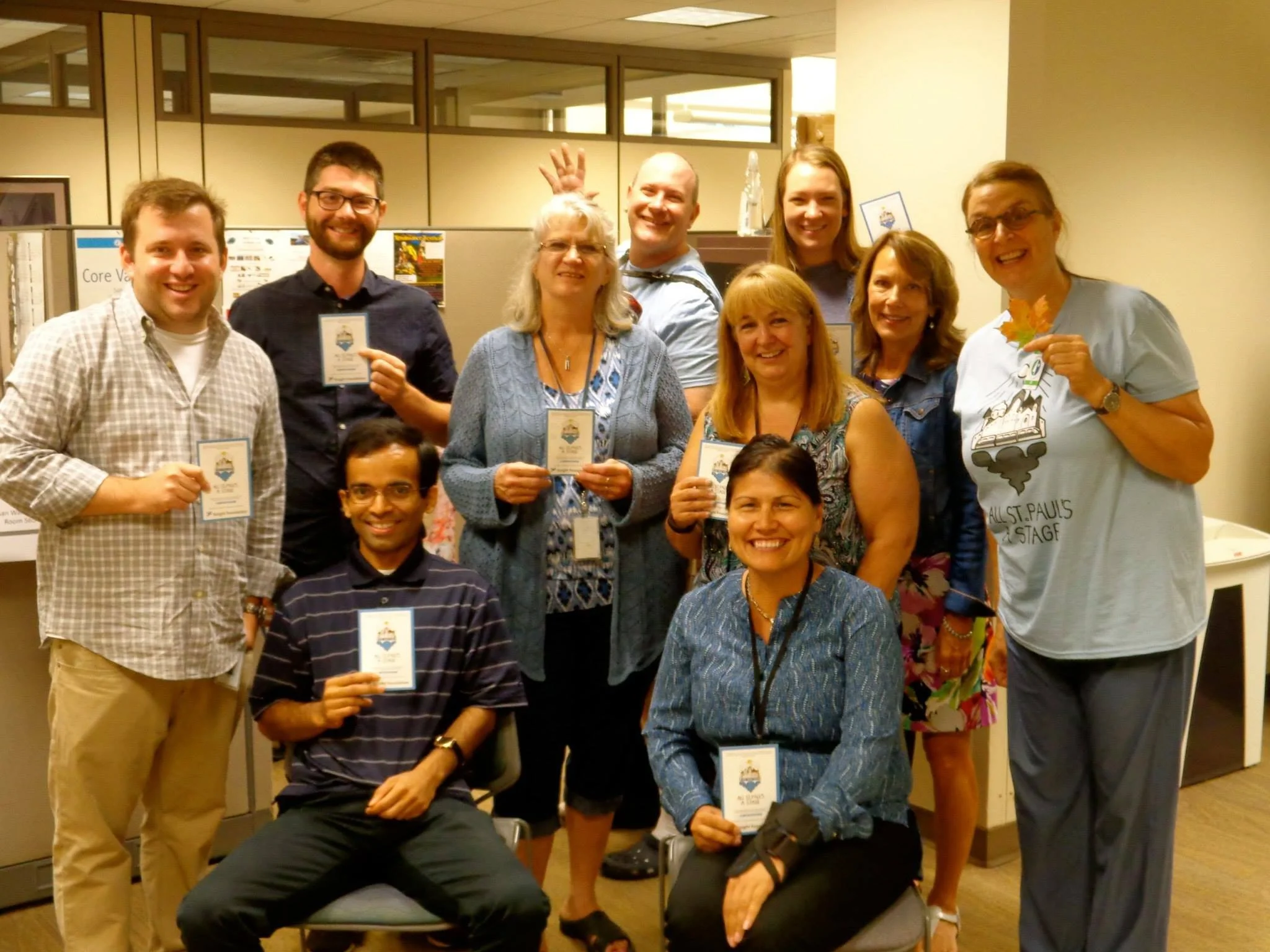
Instead of asking audiences to buy a ticket, find parking, and sit in a theater, we sent improvisers out into the city. People could order an Improvgram for someone else, giving performers a few details or a prompt about that person. Then, a small team of actors would show up and create a short, unscripted performance on the spot.
The project was designed to make improv more accessible, especially in a city that did not have a physical improv theater at the time. In other words, we were literally meeting people where they are.
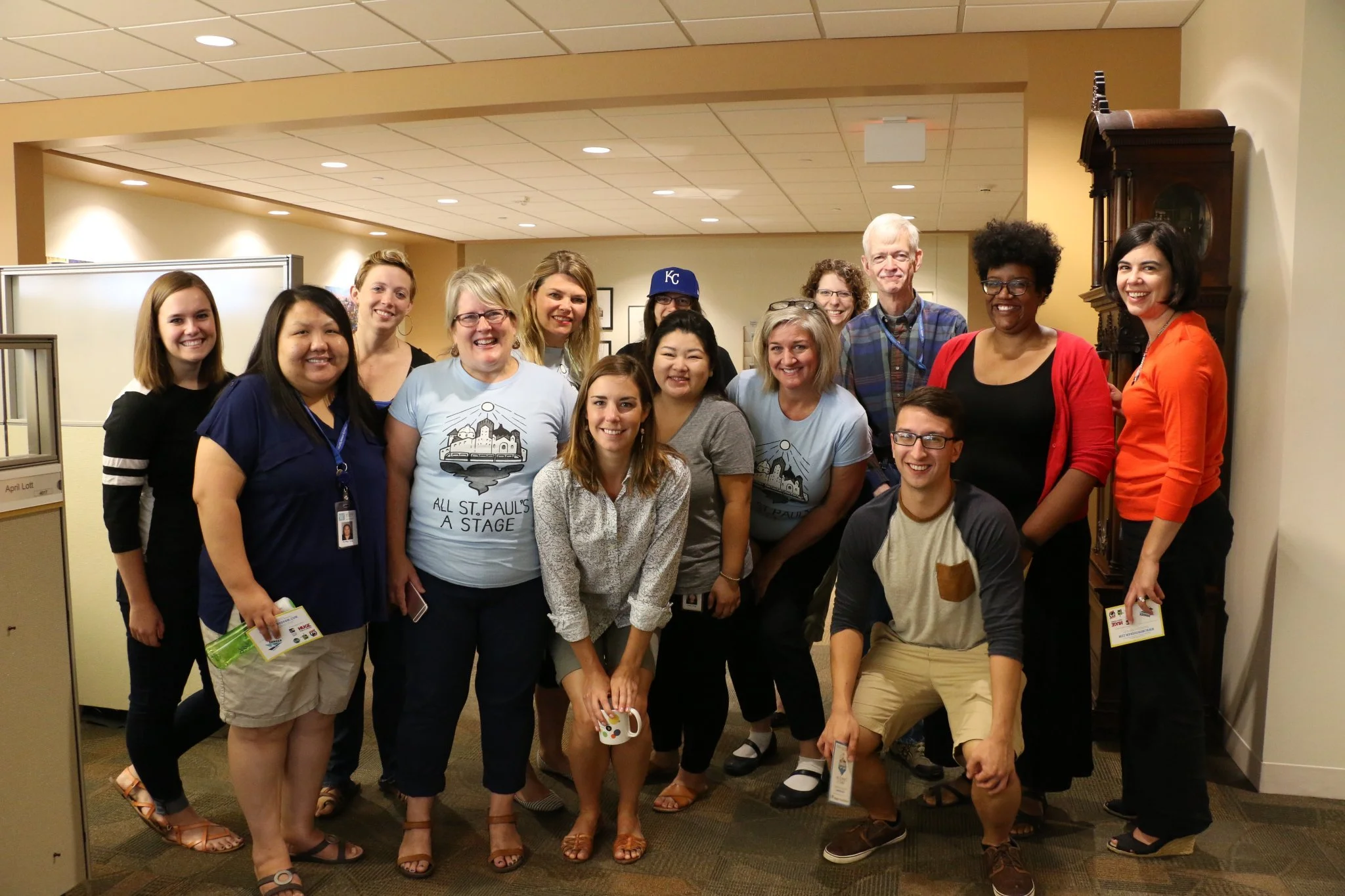
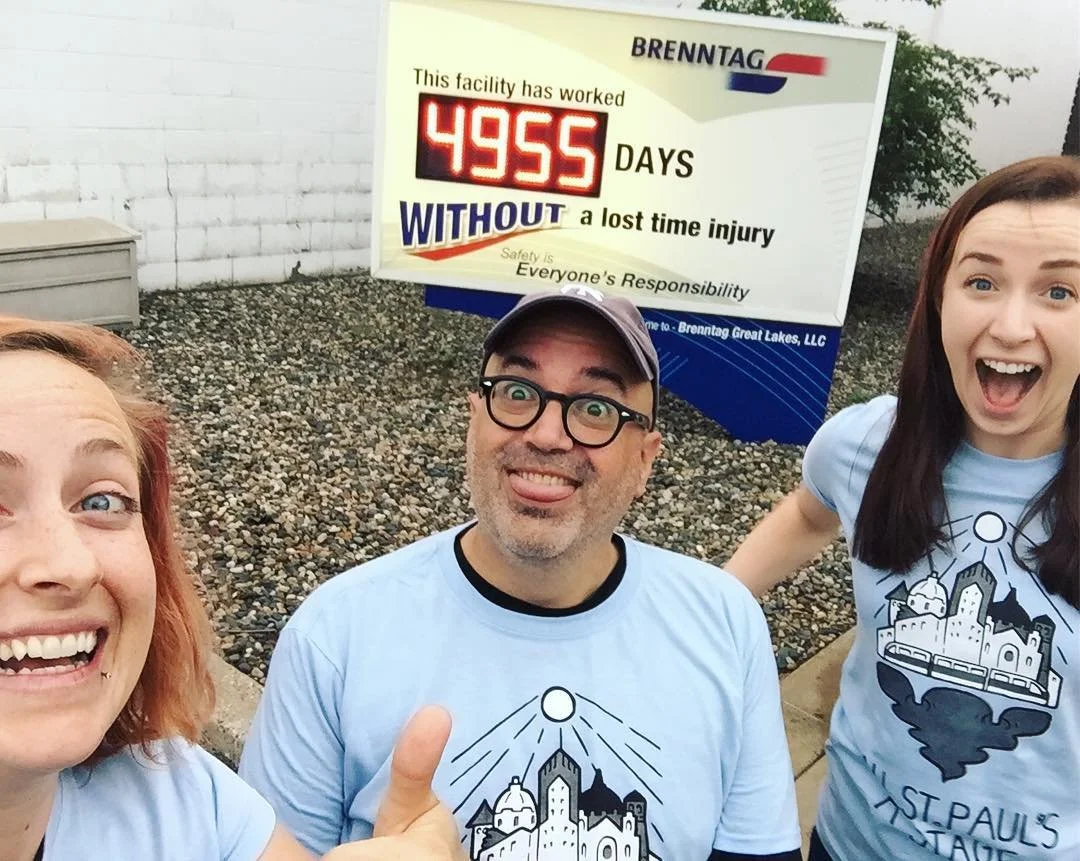
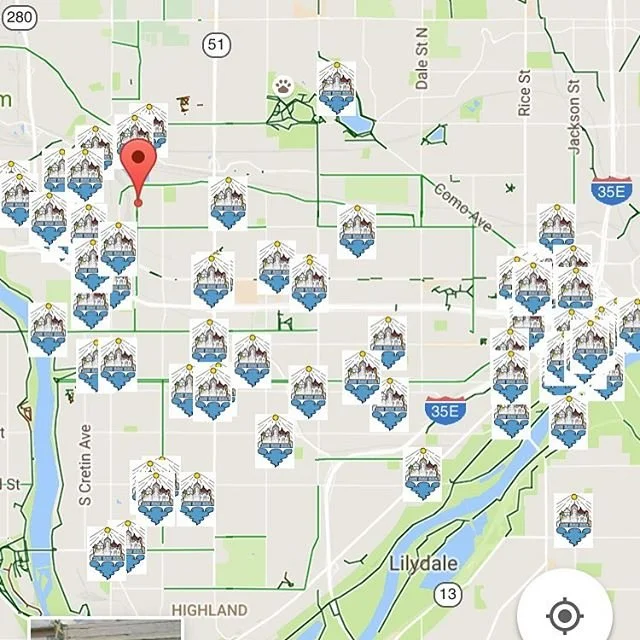
By the end of the project, performers had delivered scenes in parks, offices, coffee shops, bus stops, and other nontraditional spaces. The result was part theater, part surprise party, and part civic scavenger hunt.
Gallery
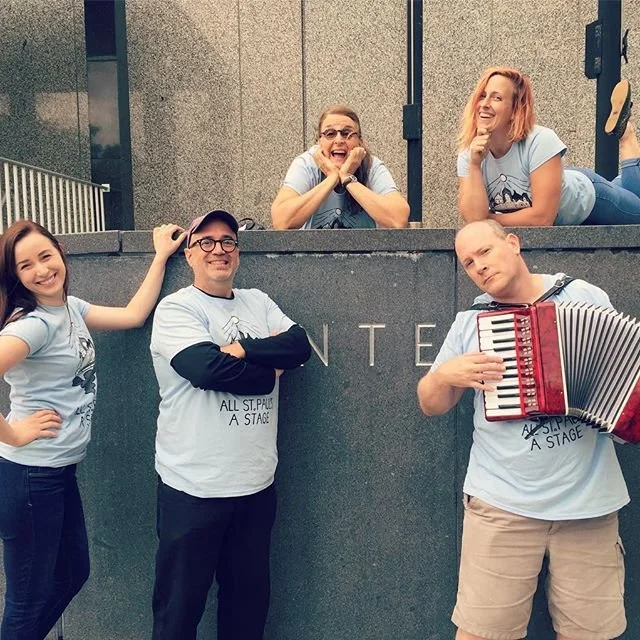
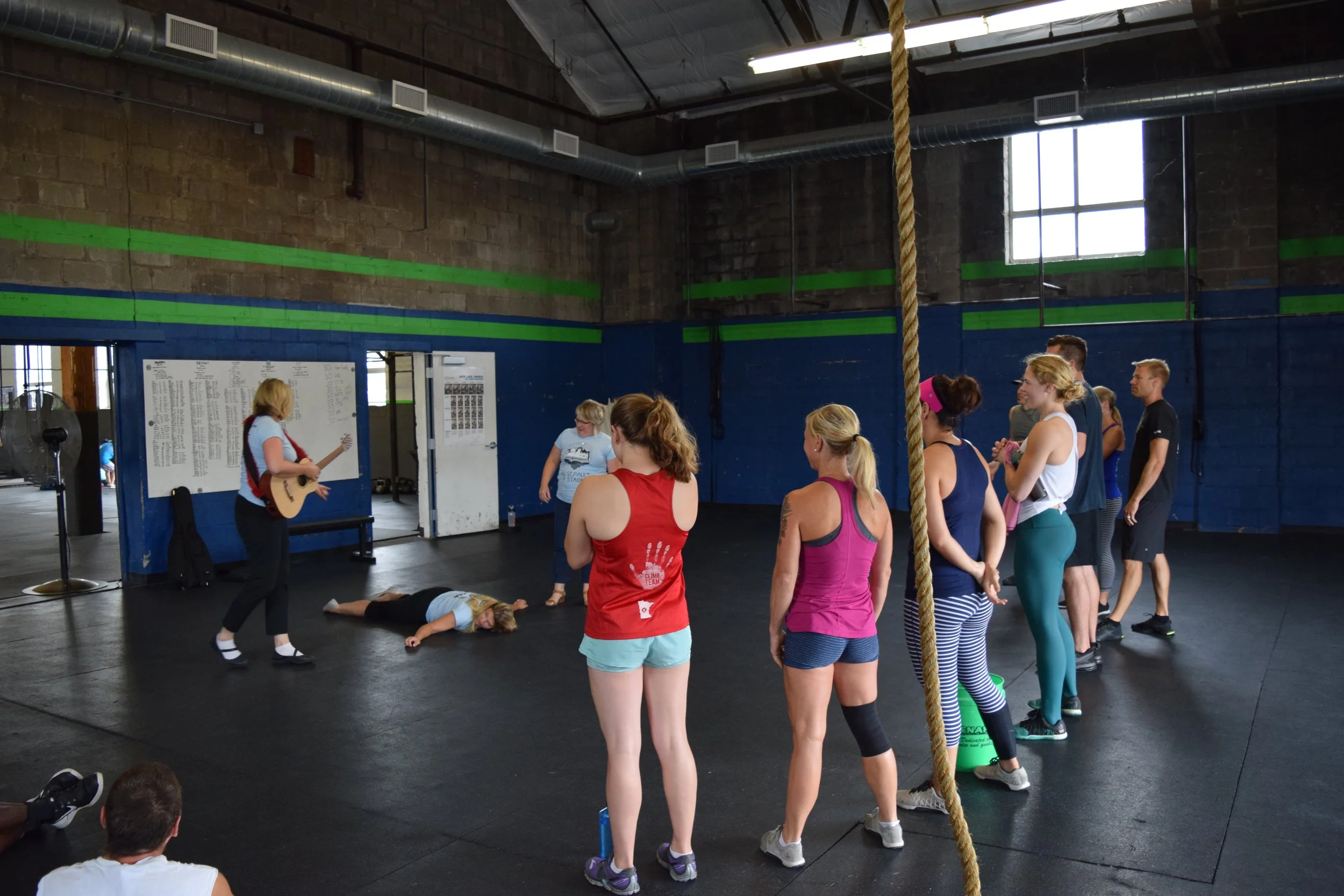
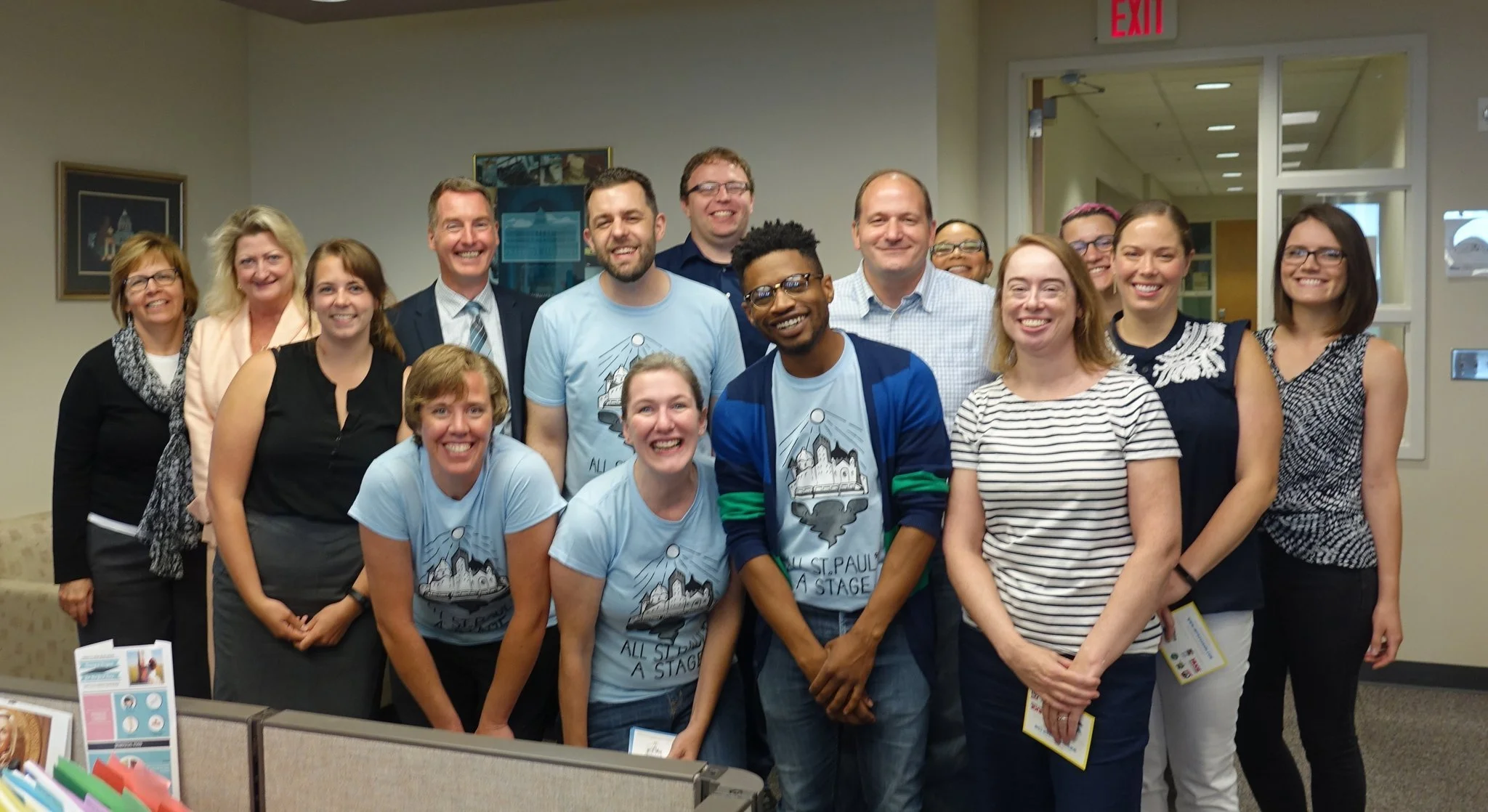
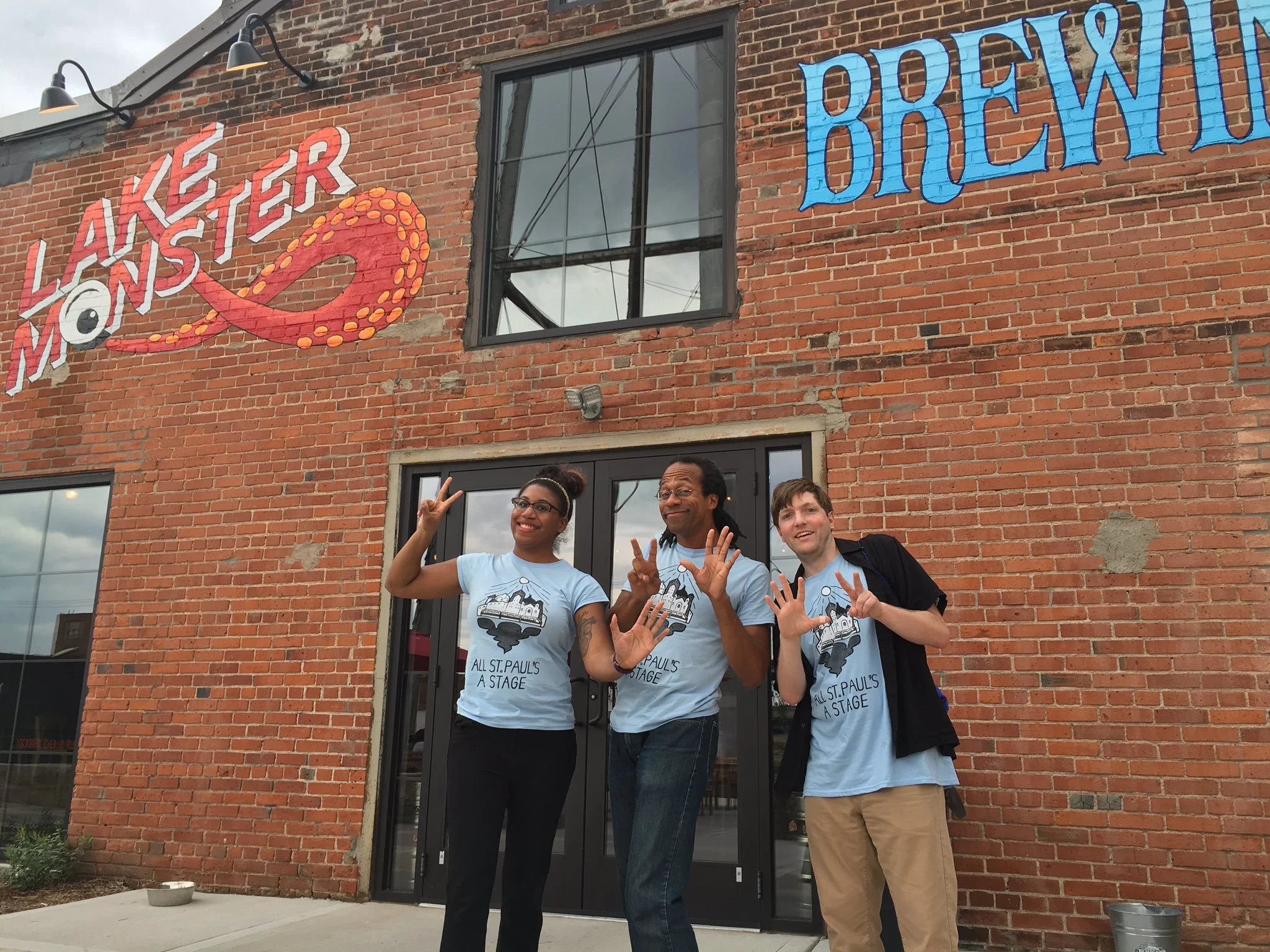
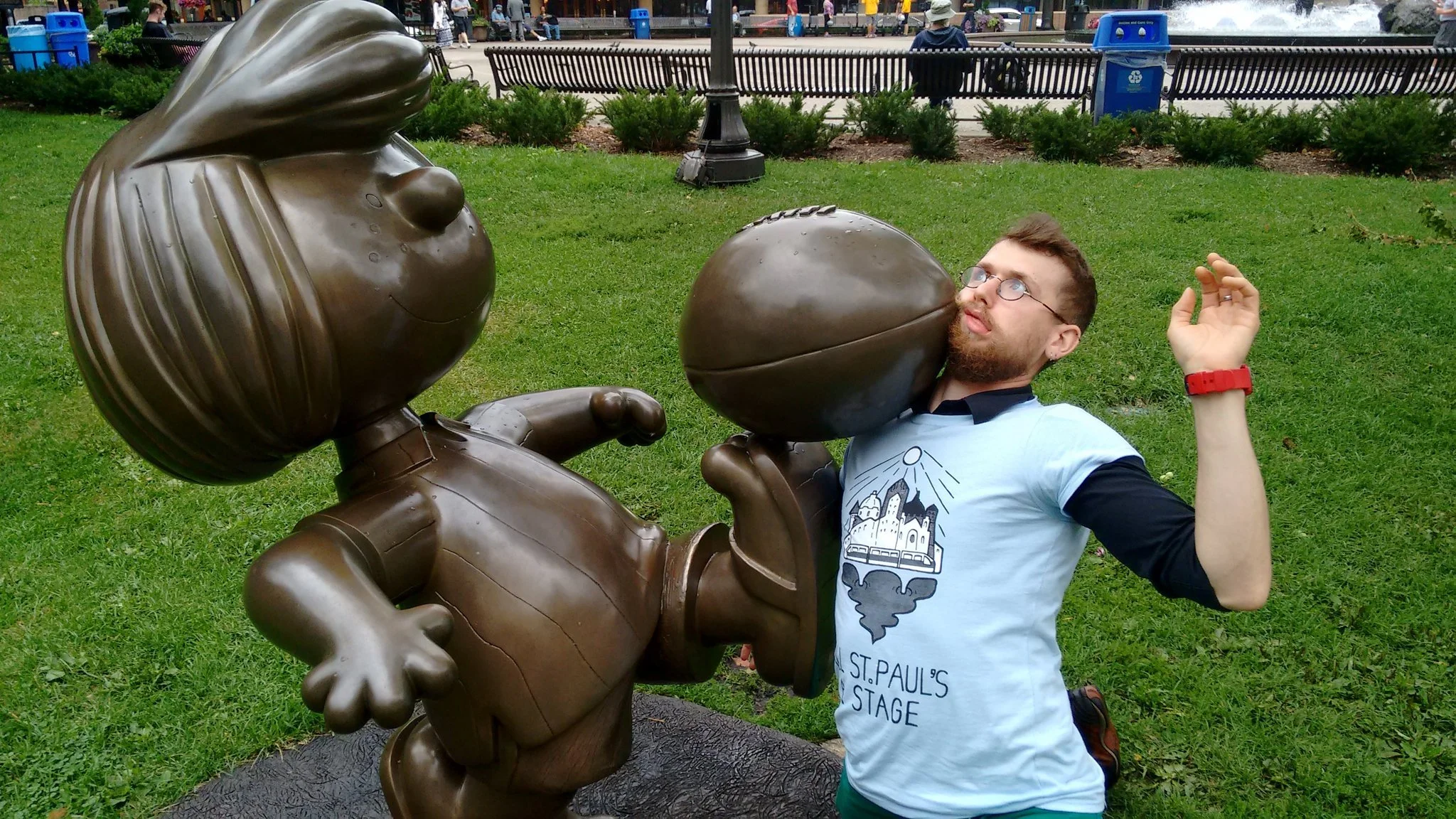
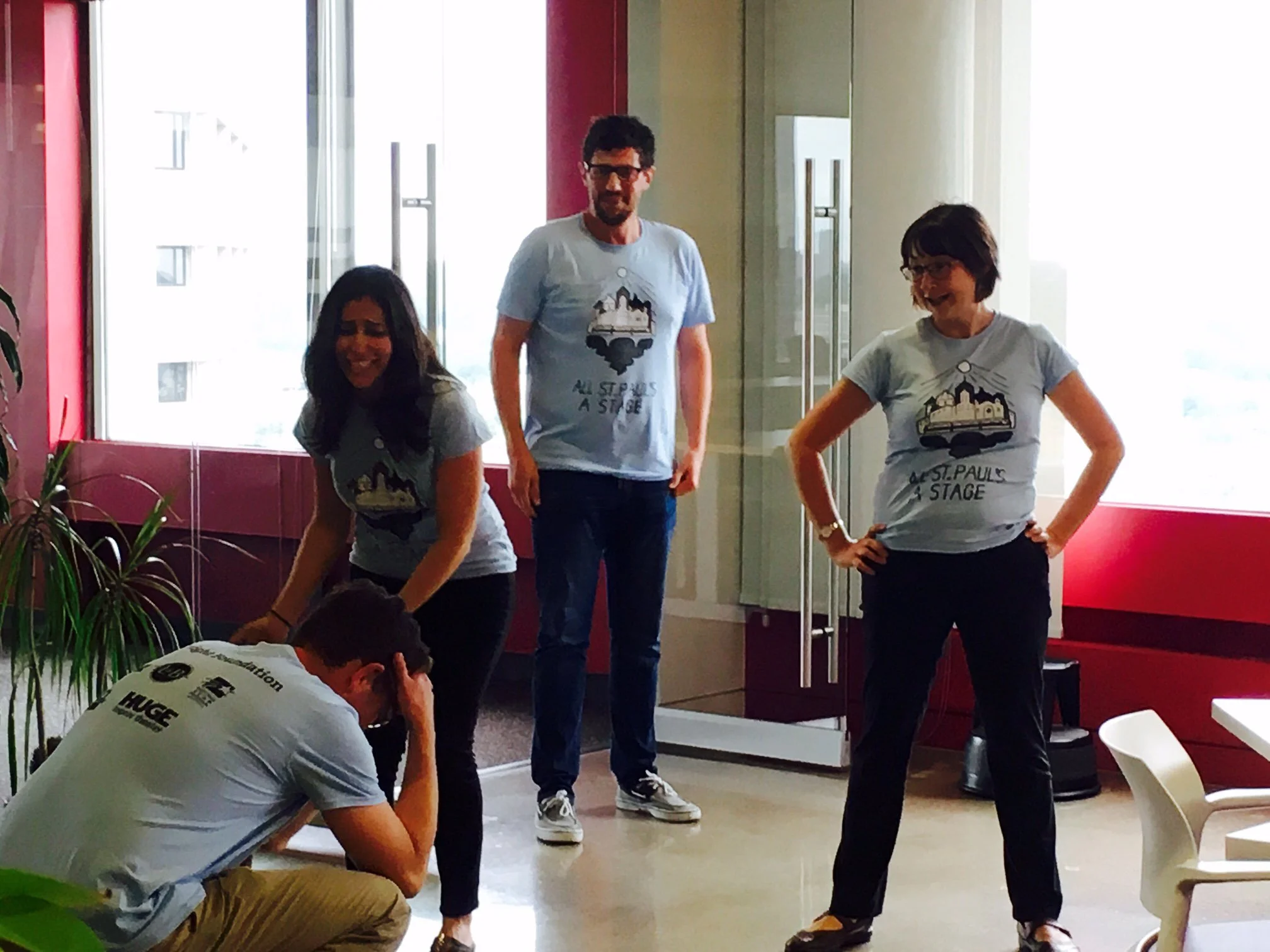
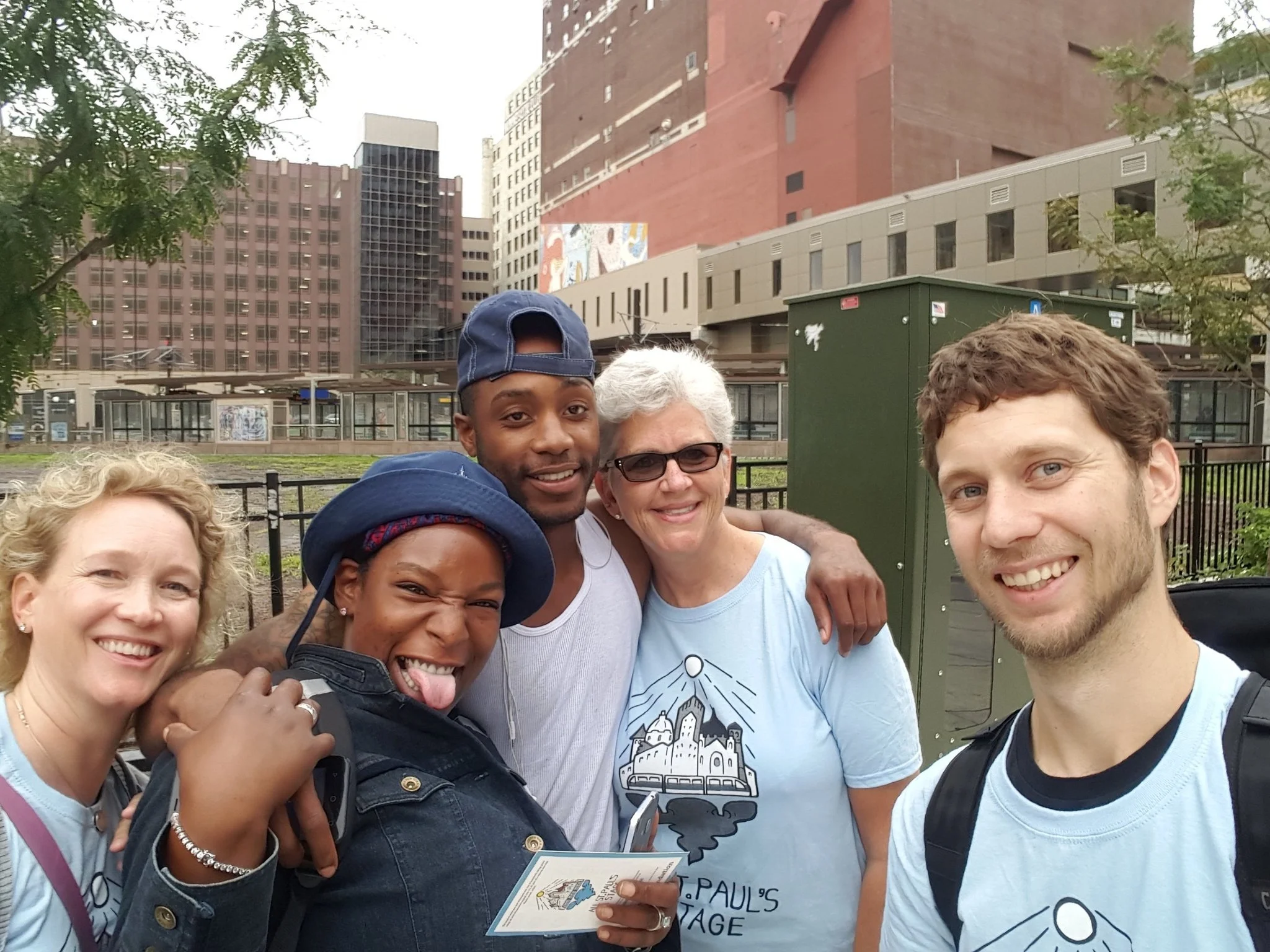
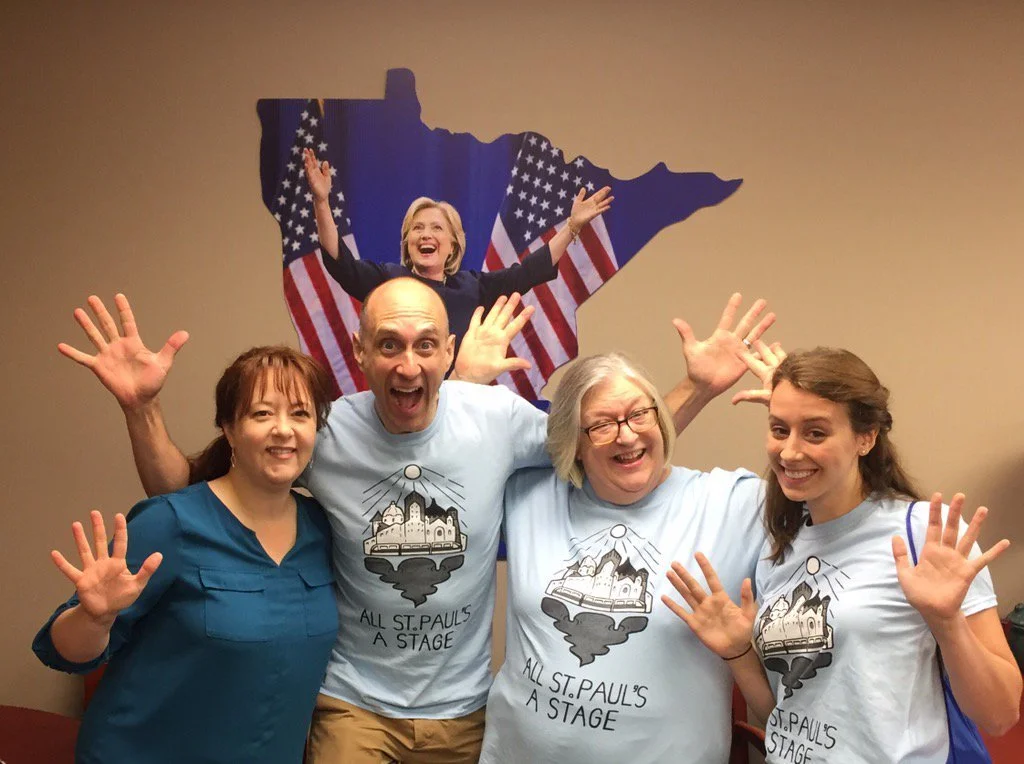
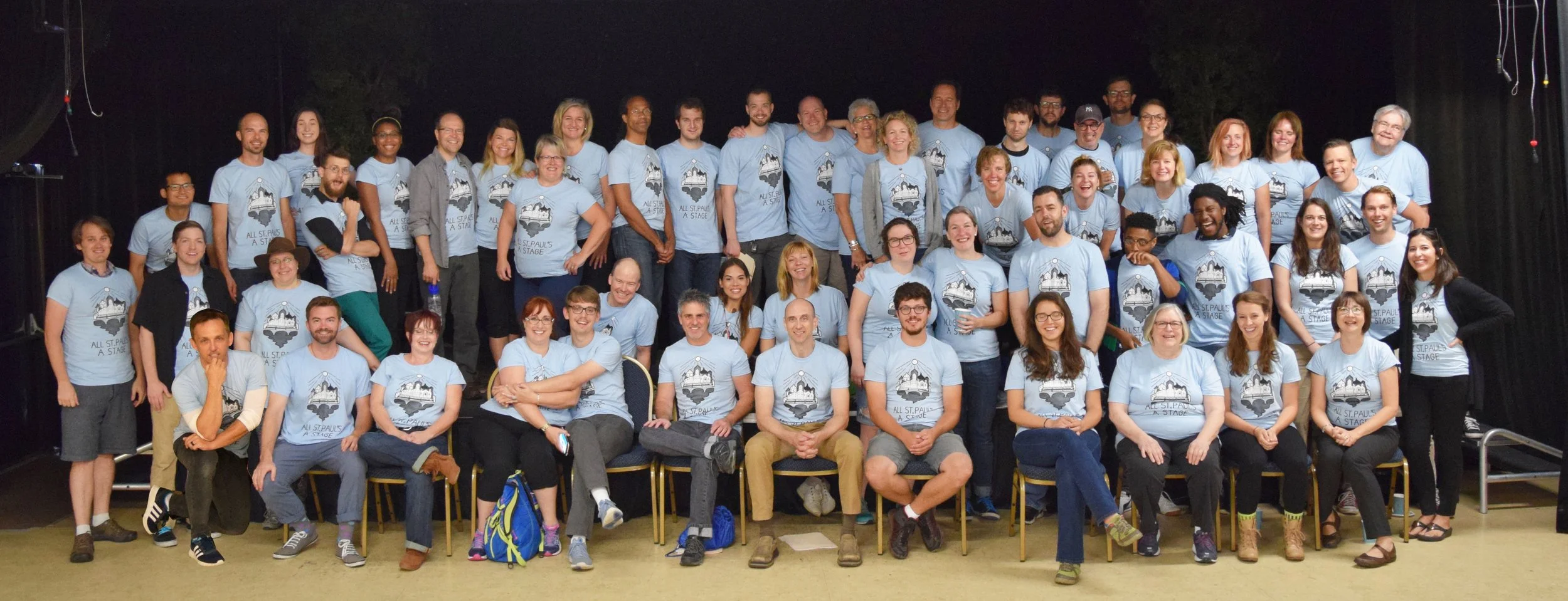
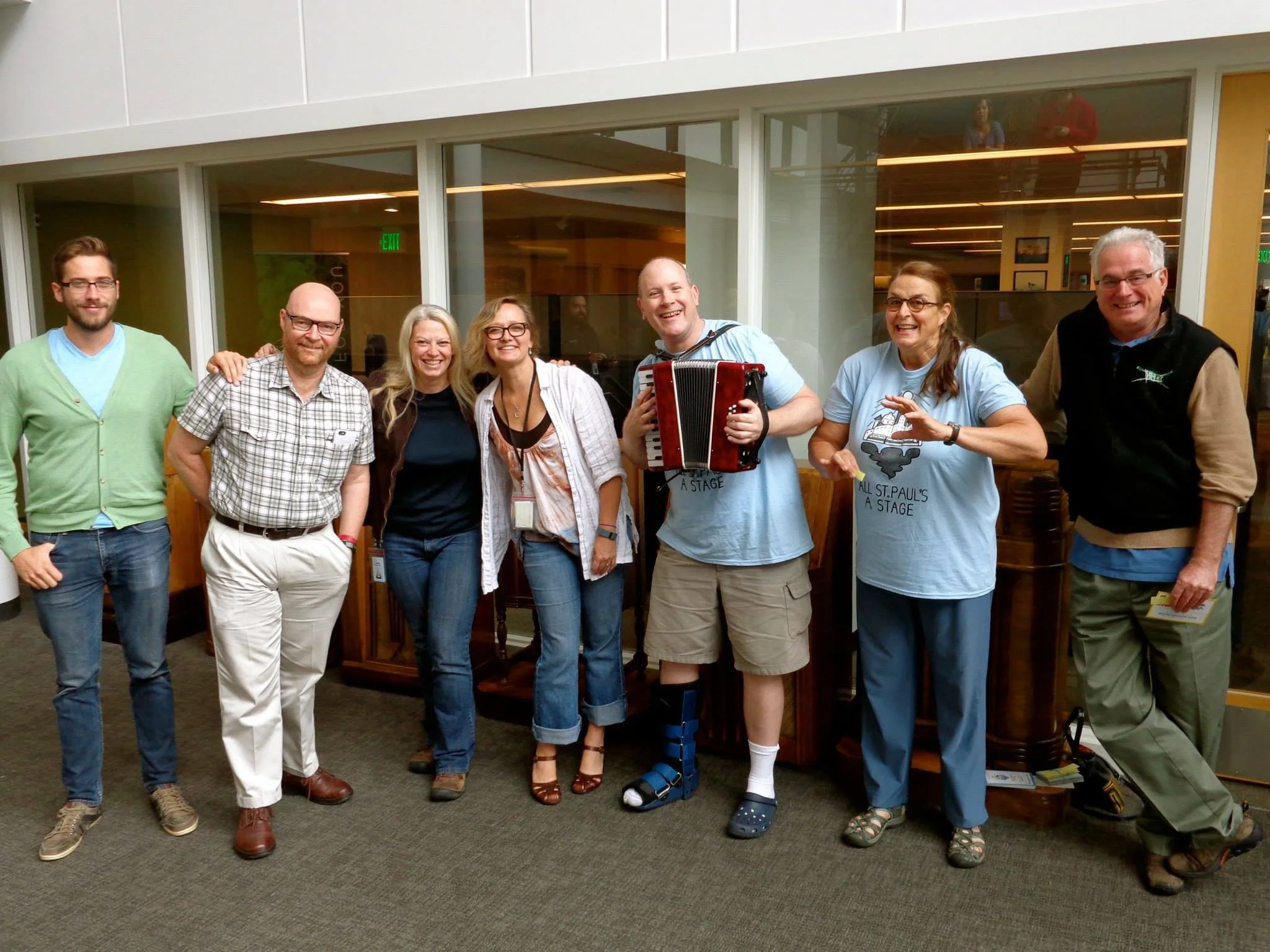
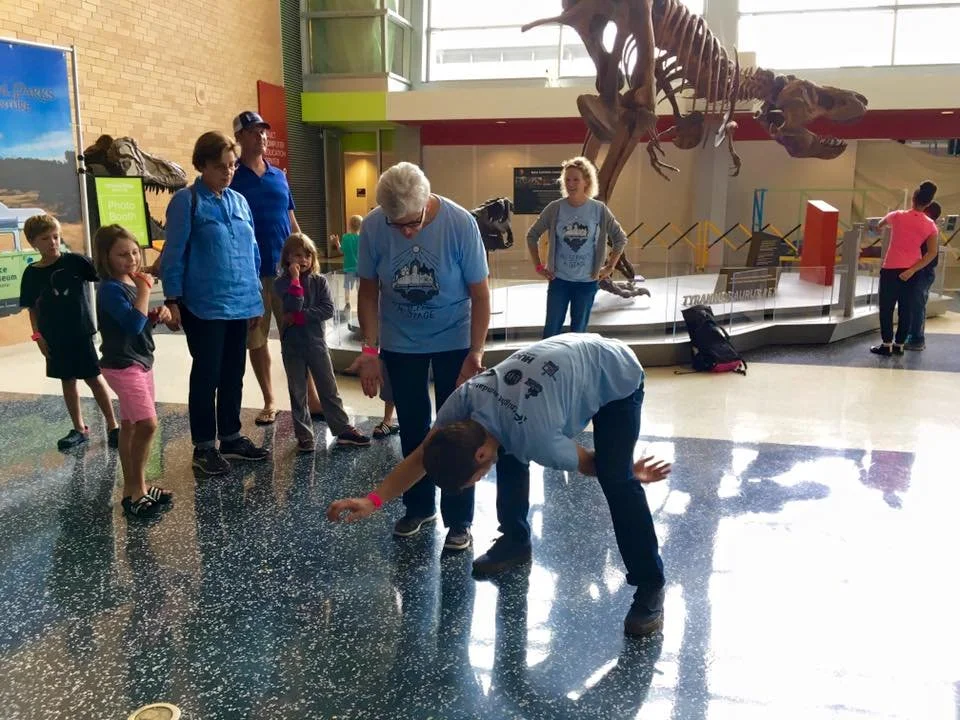
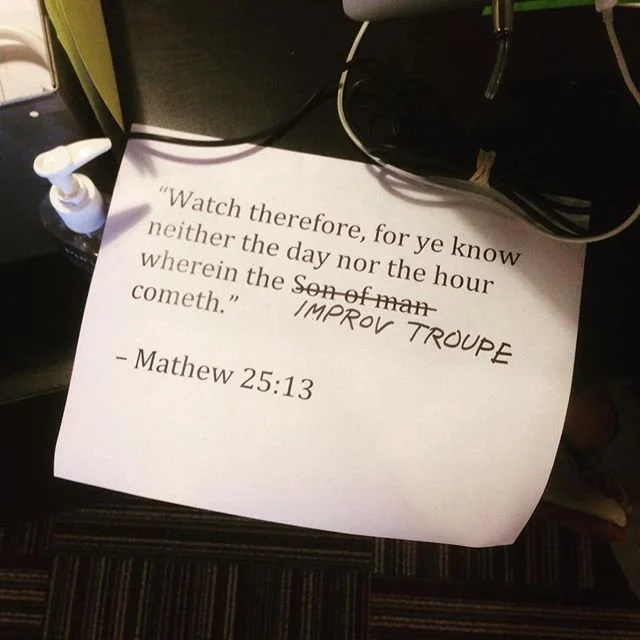
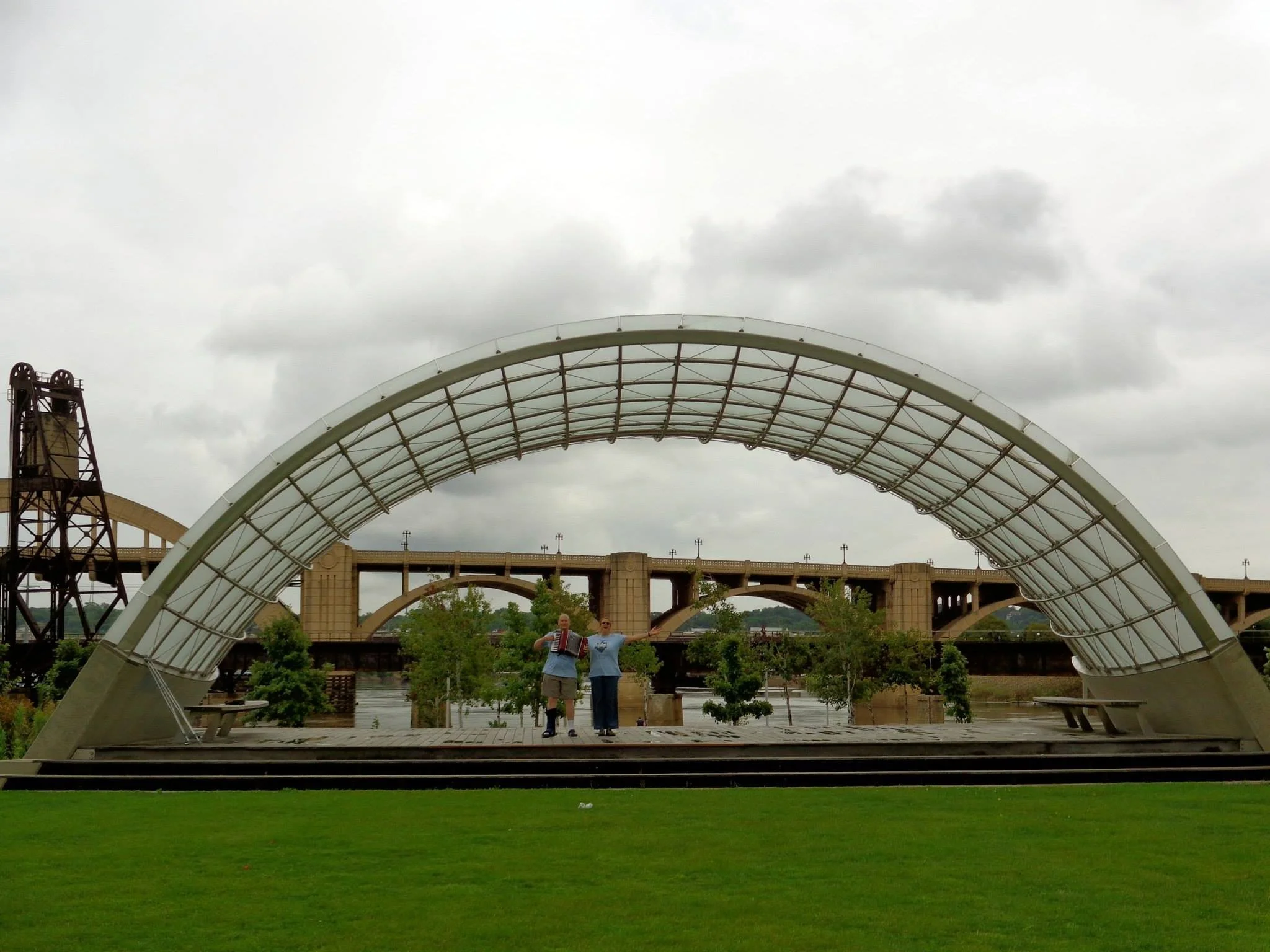
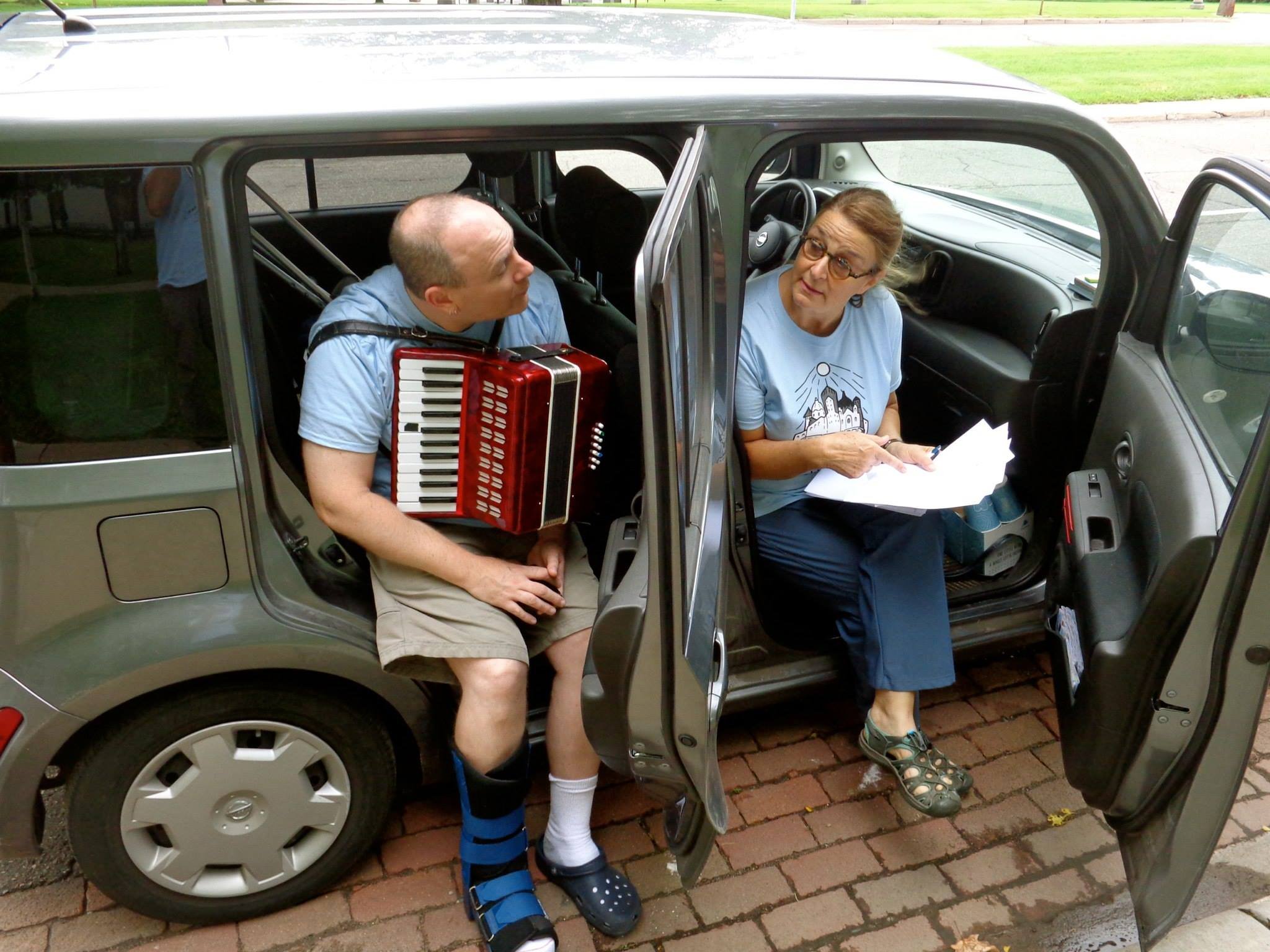
What were the results?
In our final projects report, All St. Paul’s a Stage included:
117 individual scenes performed
478 estimated informal audience members
107 unique locations
33.8k Twitter impressions
302 Twitter interactions
Regional trending activity for #improvgram
Media coverage from the Star Tribune, Pioneer Press, KFAI Radio, Minnesota Public Radio, MyTalk Radio, KSTP-TV, MinnPost, Secrets of the City, and Lillie News.
The audience survey data also showed a strong response. Of the 35 survey respondents:
85.7% rate their Improvgram a 4 or 5 out of 5
The average rating was 4.06 out of 5
33 out of 35 respondents said they would order an Improvgram for someone else in the future
7 respondents had never seen live improv before, and their average rating was 4.43 out of 5
The last point lets us know that the project did not only appeal to existing improv fans. In fact, when comedy is brought into familiar everyday spaces, people can connect with it even if they would not normally buy tickets to a show on their own.
Interesting findings
One of the clearest patterns in the feedback was the value of personalization.
People liked that performers included details about their workplace, their organization, the recipient, or the surrounding moment. One respondent said the performers’ “investigative work was spot-on.” Another noted that the actors used the information provided “really well.” Others described the performance as tailored, relevant, or full of inside jokes.
That is a useful insight for any organization thinking about hiring live entertainment: customization matters. A generic comedy show can be fun, but a performance that reflects the people in the room feels memorable.
Another strong theme was surprise. Respondents described the experience as “unexpected,” “a joyful surprise,” and something that “brightened my day.” This is one of the hidden powers of bringing performance into nontraditional spaces. The art does not sit politely on a stage waiting to be noticed. It interrupts the routine, in a good way.
The survey also suggests that improv can be an effective introduction to live performance. Several respondents had never seen improv before, yet they gave some of the highest ratings in the survey. For organizations, this matters because it means improv can reach audiences who might not describe themselves as “theater people.”
The project also had value for performers. It was unprecedented to gather so many Twin Cities improvisers together at the same time, and performers shared that the project helped them connect with other artists. One performer, at age 70, shared that this was her first paycheck as an artist and that she knew it would not be her last.
What we learned
The biggest lesson is that improv can travel.
It does not need a black box theater, a traditional stage, or an audience that already understands the rules. When the format is clear and the performers are skilled, improv can work in offices, civic buildings, sidewalks, and coffee shops. That opens huge opportunities for conferences, staff retreats, public engagement events, and community celebrations looking to incorporate an entertainment piece into their event.
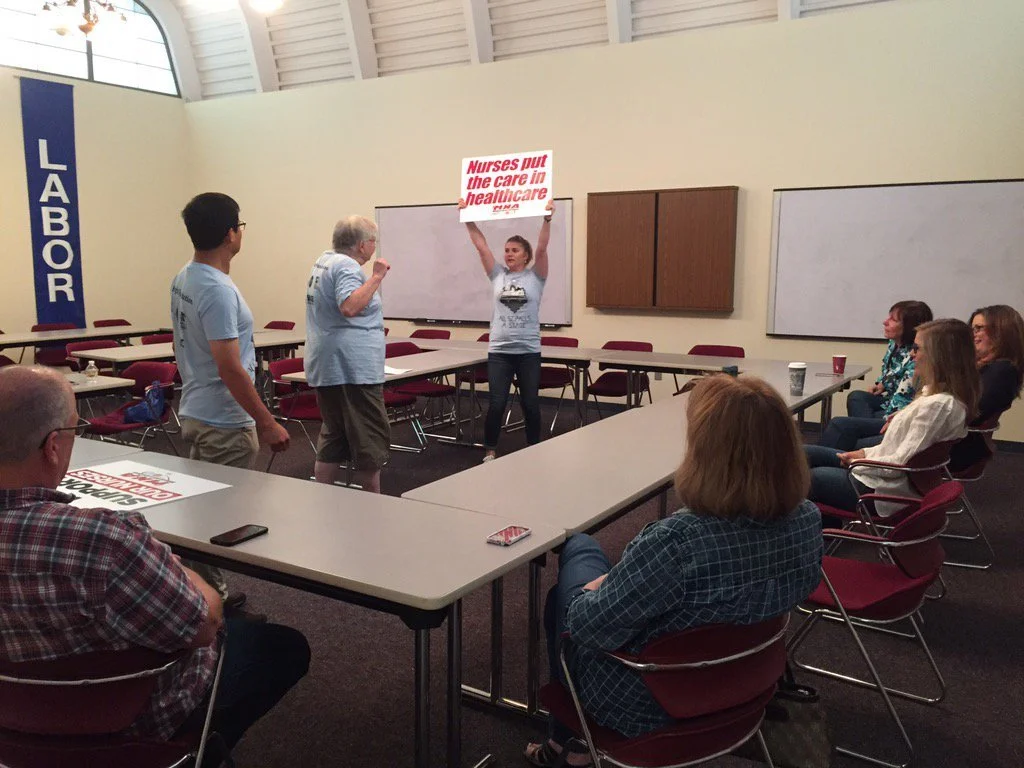
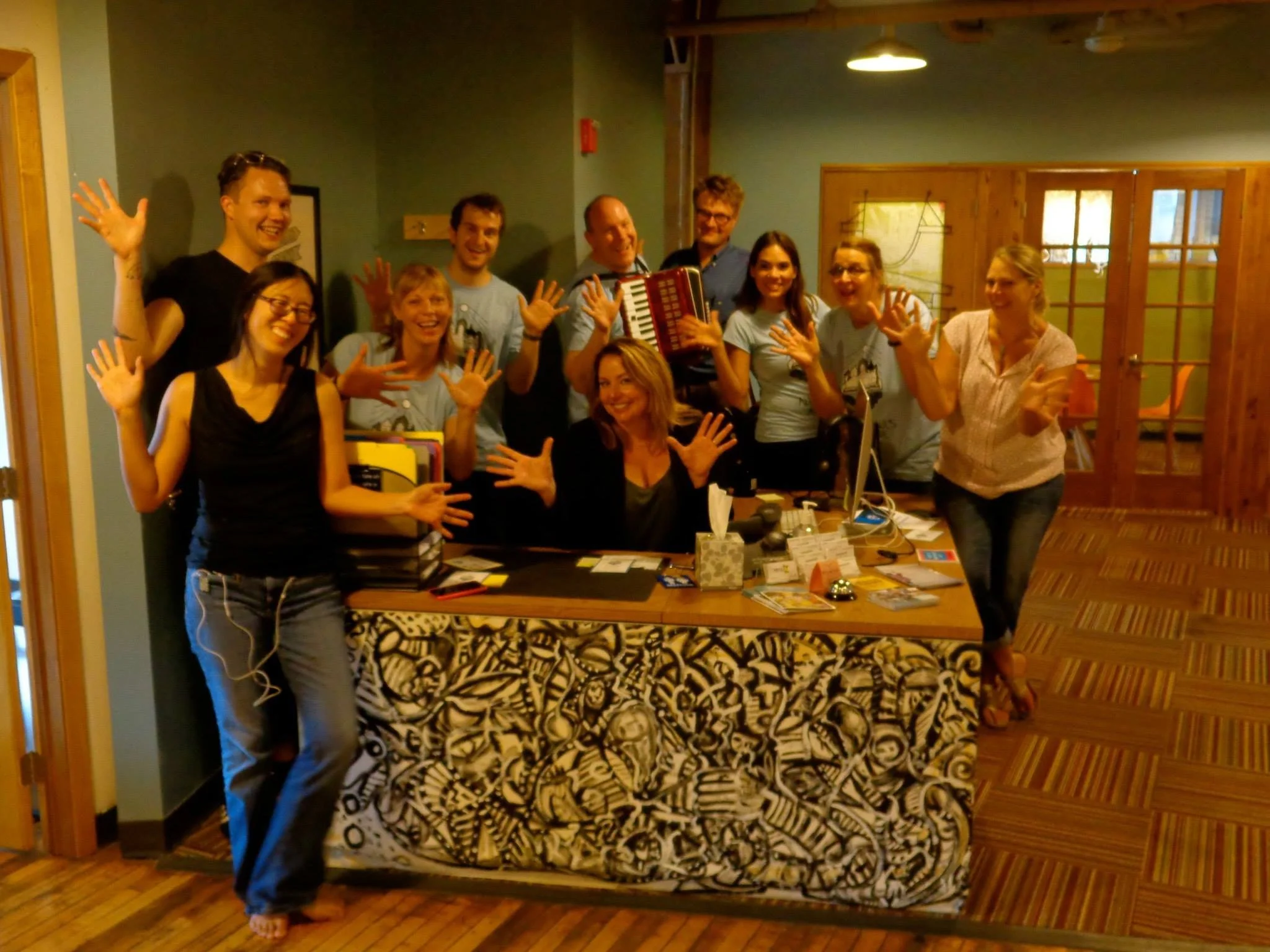
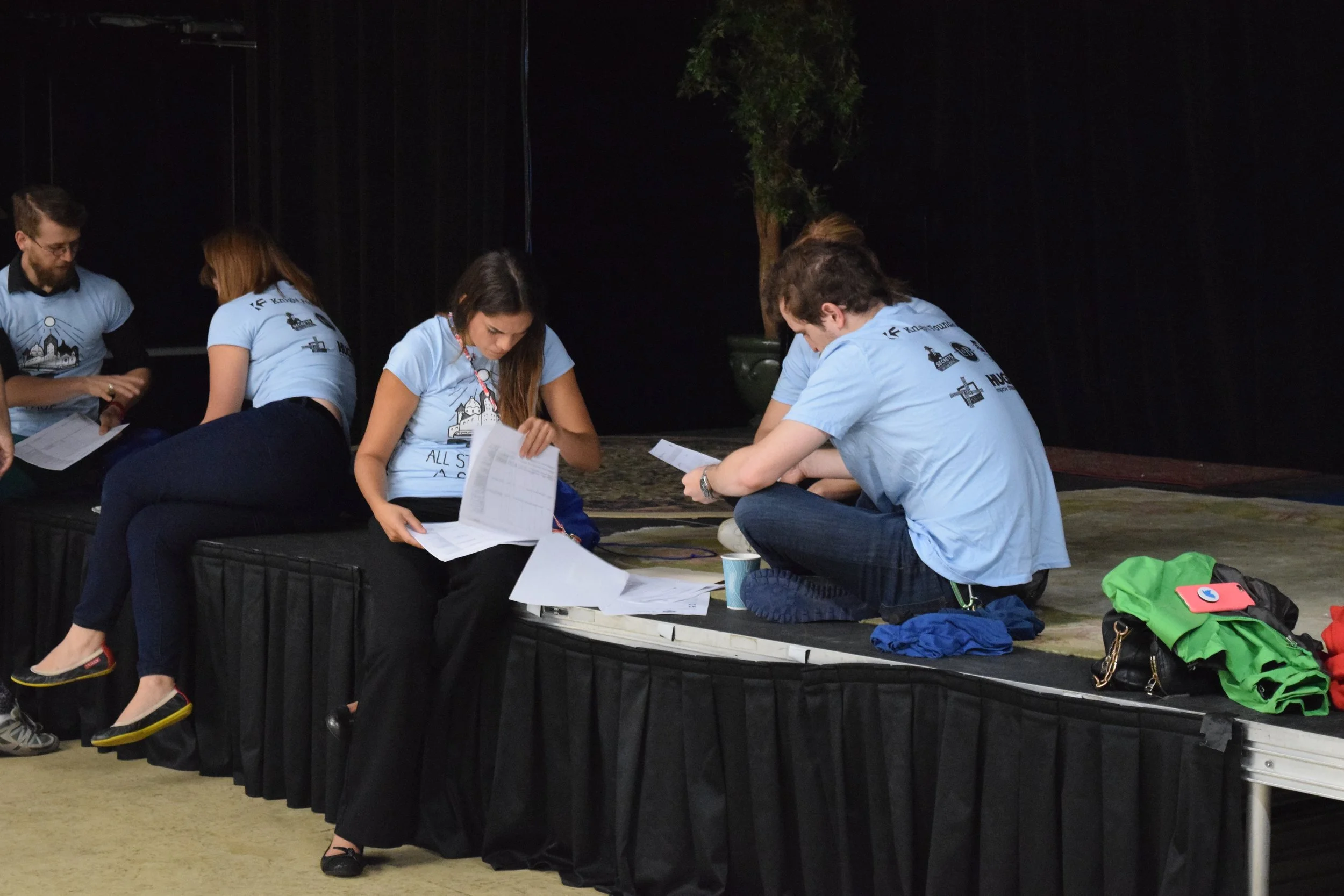
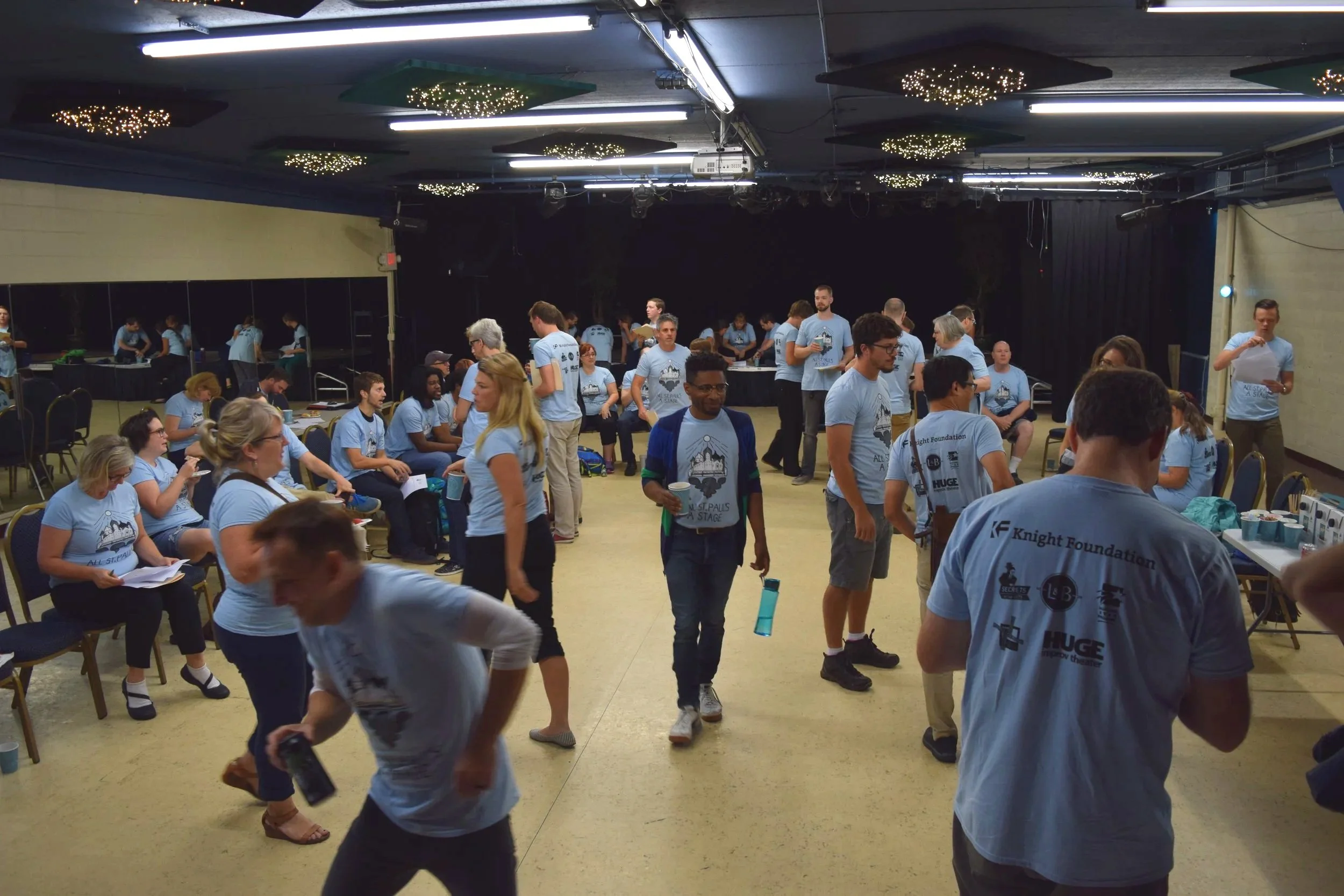
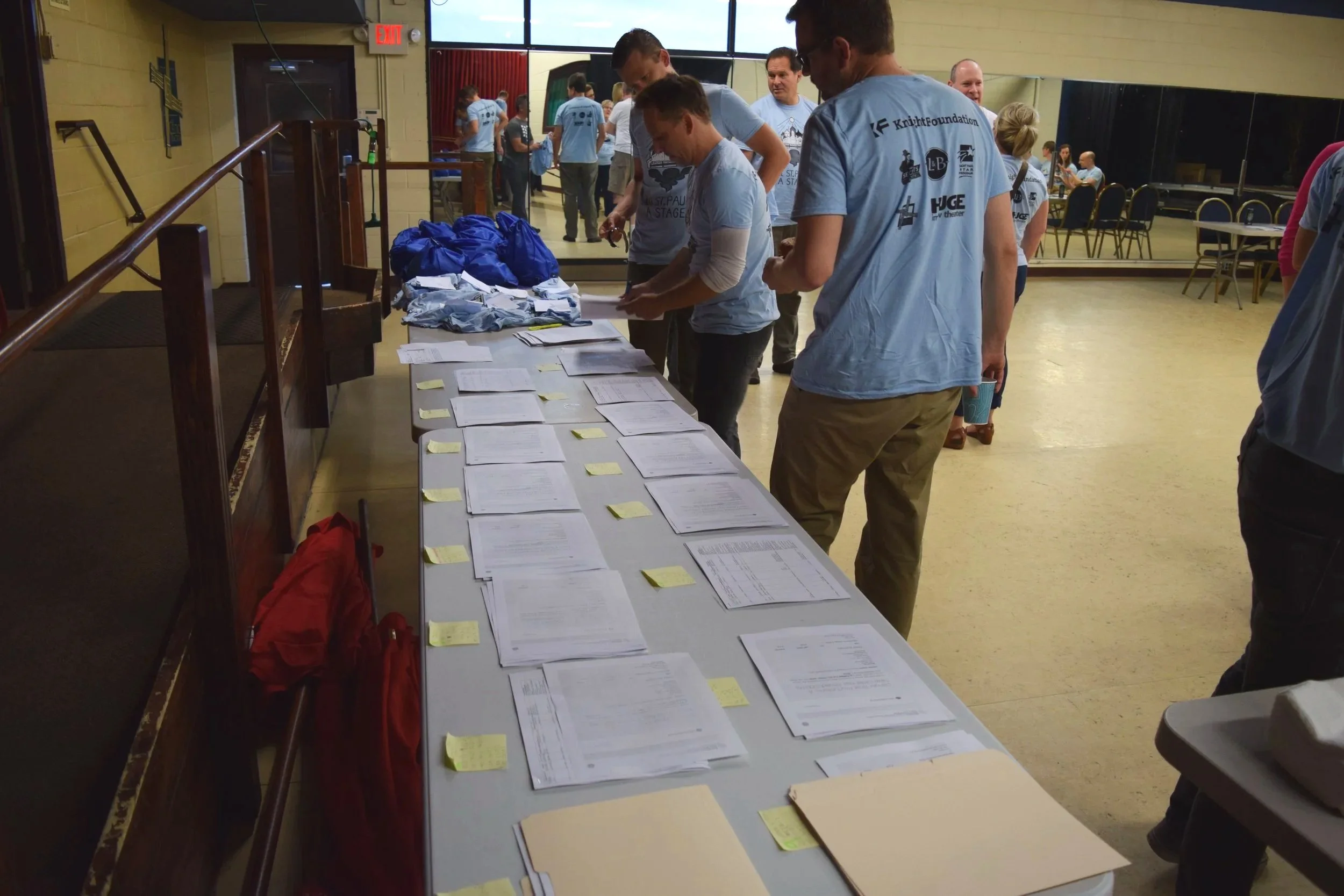
Another takeaway is that surprise works best when it is supported by structure. The final report noted that the event day itself ran smoothly because of the preparation behind the scenes. Performers were selected, trained, grouped into teams, and sent out with plans and materials. We were offered generous advice by Story Stick Marketing on how to develop systems and processes for mass recruitment, onboarding and training, and how to turn our office into a dispatch hub for comedy.
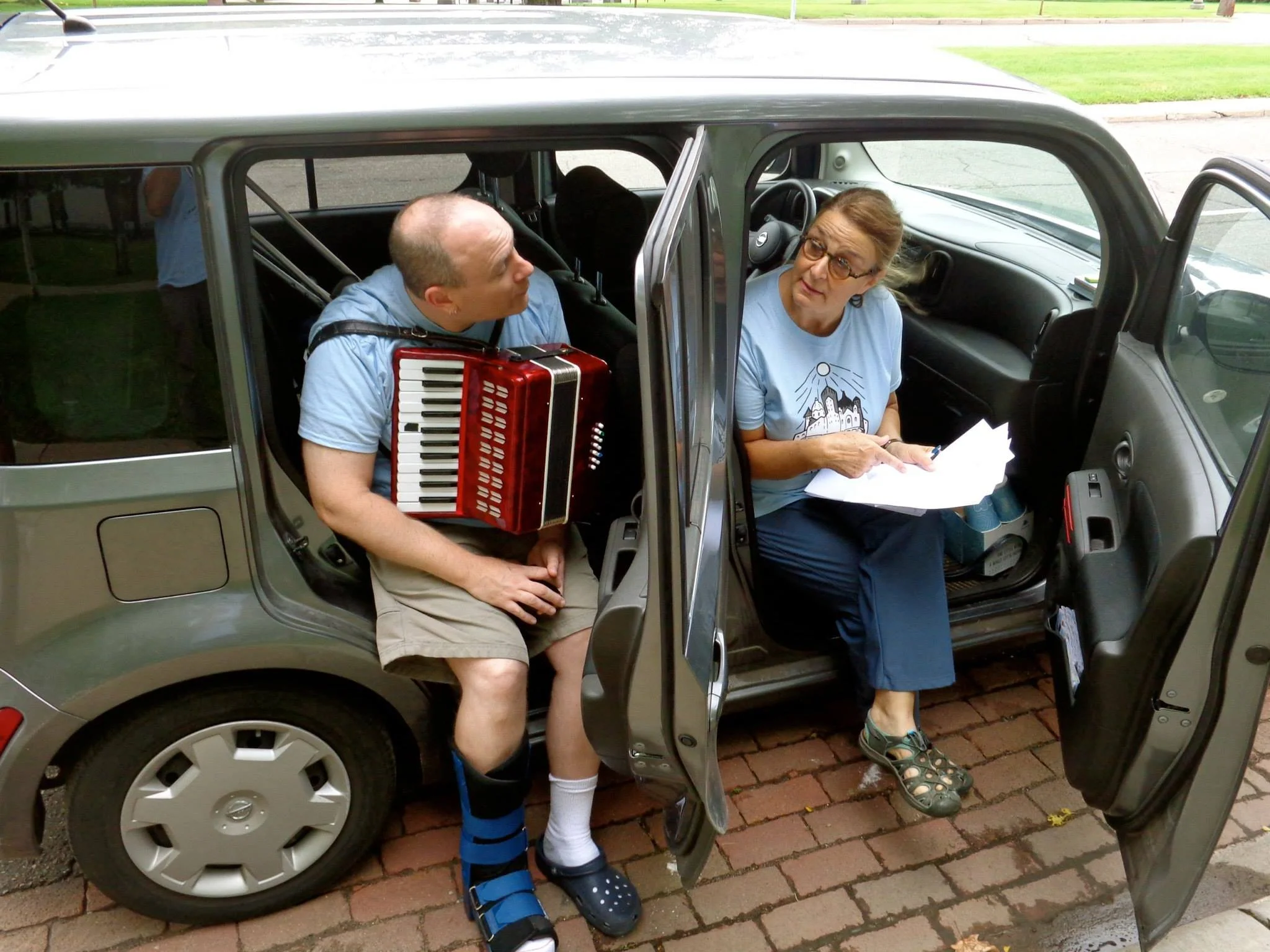
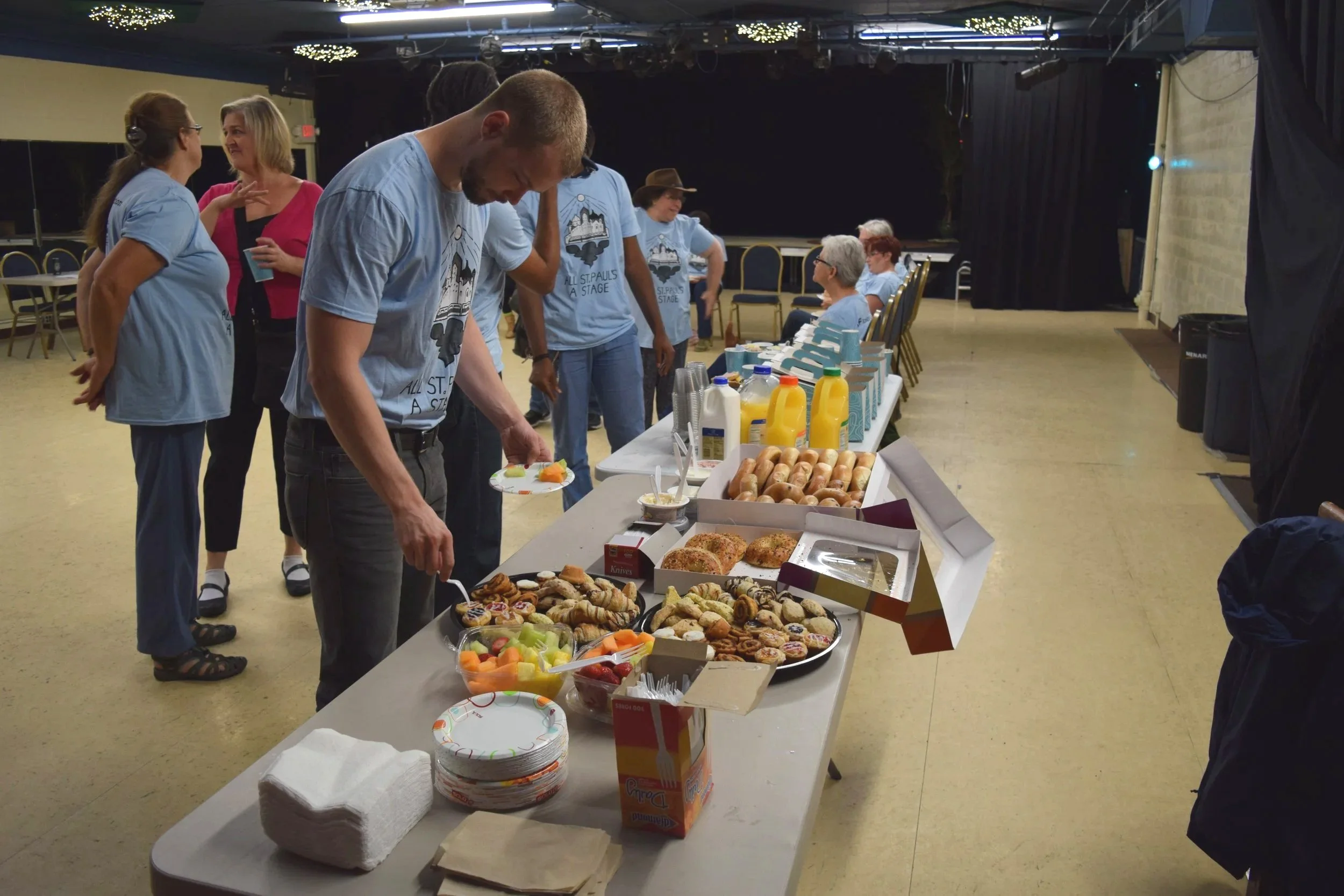
When we say “spontaneous”, that does not mean “unplanned.” Good improv often looks effortless because a lot of planning has gone into making the moment possible (see photos above).
However, we also learned that demand and logistics need to match. The final report notes that organizers were disappointed by lower-than-expected orders, even though performers filled downtime by creating additional informal performances (it is REALLY hard to keep an improviser from improvising). That means future events like this could benefit from a longer sales runway, stronger pre-event marketing, and clearer education about what an Improvgram is and why someone would order one.
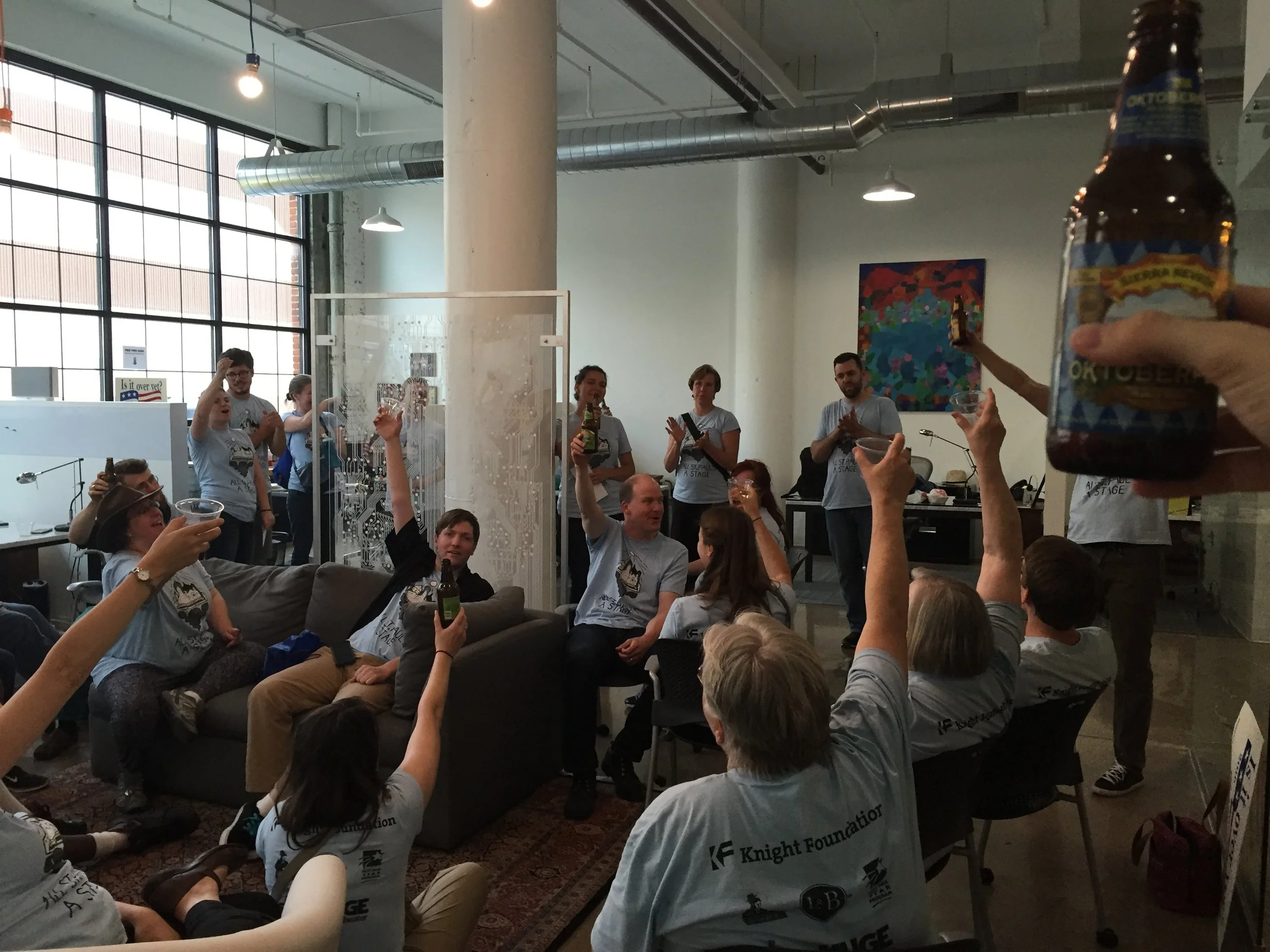
Performers cheers to the day after performing more than 100 scenes throughout St. Paul
Conclusion
All St. Paul’s a Stage was a playful experiment with a serious lesson: people do not need to be in a theater to have a meaningful experience with live performance.
The project brought improv into everyday life and showed that comedy can surprise people, personalize a moment, energize a workplace, and create shared stories across a city. The data was not massive, but it was clear enough to point toward something important: when audiences encounter customized improv in the right setting, they respond with laughter, curiosity, and a strong desire to share the experience with someone else.
For organizations planning a conference, staff event, community gathering, or public engagement project, that is the real takeaway. Live comedy does not have to be a break from the purpose of your event. Done well, it can help people connect more deeply to the purpose itself.
At Danger Boat Productions, that is the work we keep coming back to: making serious ideas more approachable, making shared moments more memorable, and helping people laugh their way into better conversations.

Author: Brandon Boat (he/him)
As co-founder of Danger Boat Productions, Brandon has produced and/or performed in more than 1000 shows that have delighted and surprised audiences throughout the US. In addition to performing, Brandon oversees the logistics of all Danger Boat’s productions and the company’s daily operations and finances as well as cast coordination, client collaboration and so much more.
